
Gaming can be an exciting way to relax, challenge yourself, and connect with friends. But what happens when a few minutes of entertainment turn into hours, sleep becomes optional, and everyday responsibilities start slipping away? That is when gaming habits deserve a closer look.
Game overdertoza addiction is a search term associated with concerns about excessive or compulsive gaming. However, it is important to clarify that this phrase is not a formally recognized medical diagnosis, and its exact meaning is not well established. The underlying concern is real: some people struggle to control their gaming habits even when those habits begin affecting their lives.
Understanding the warning signs, recognizing personal triggers, and making practical changes can help restore a healthier relationship with gaming without automatically giving up something you enjoy.
What Is Game Overdertoza Addiction?
The phrase game overdertoza addiction can be understood in the context of problematic gaming behavior. It describes a concern about gaming becoming difficult to control, taking priority over everyday responsibilities, or continuing despite harmful consequences.
The World Health Organization recognizes gaming disorder in its International Classification of Diseases (ICD-11). Its main characteristics include impaired control over gaming, giving gaming greater priority than other activities, and continuing to play despite negative consequences. These patterns must significantly affect important areas of life to qualify for a diagnosis.
Importantly, playing video games frequently does not automatically mean someone has an addiction. Many people enjoy gaming regularly while maintaining healthy relationships, completing their responsibilities, and getting enough sleep.
The key question is simple: Are you choosing when to play, or is gaming increasingly controlling your choices?
Common Signs of Problematic Gaming
Recognizing unhealthy patterns early can make it easier to address them before they become more disruptive.
Watch for these potential warning signs:
- Losing track of time: You regularly play longer than intended, even after deciding to stop.
- Neglecting responsibilities: Schoolwork, professional duties, household tasks, or personal commitments receive less attention.
- Disrupted sleep: Late-night sessions leave you tired, irritable, or unable to concentrate the next day.
- Emotional discomfort: You feel unusually restless, frustrated, or anxious when you cannot play.
- Relationship difficulties: Friends or family members express concern about your gaming habits.
- Repeated unsuccessful attempts to cut back: You set limits but consistently struggle to follow them.
- Using games to avoid problems: Gaming becomes your primary response to stress, loneliness, or difficult emotions.
One sign alone does not establish an addiction. What matters is the overall pattern, its persistence, and its effect on your daily functioning.
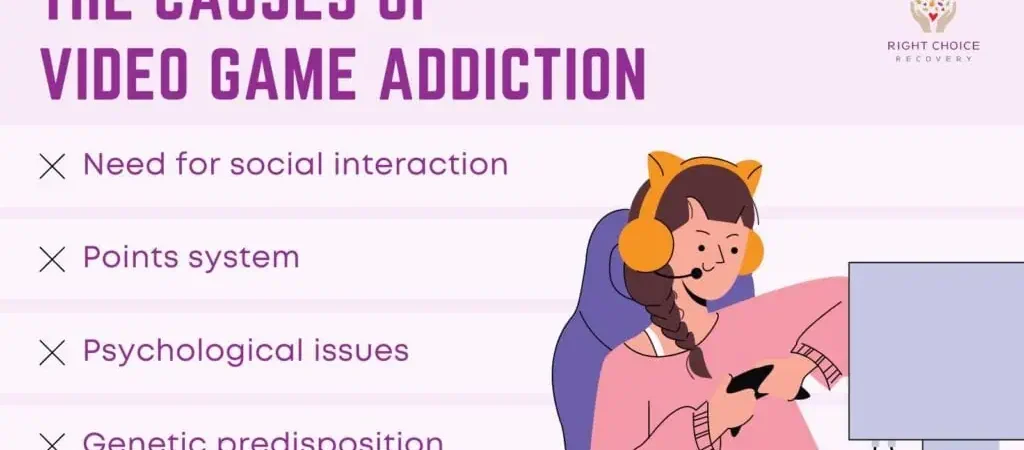
Why Can Gaming Become Difficult to Control?
There is rarely one explanation for excessive gaming. Several factors may contribute, and they can reinforce one another.
Rewards and a Sense of Progress
Many games offer achievements, rankings, unlockable items, daily challenges, and new levels. These features create clear goals and frequent feedback, making continued play appealing.
A player might think, “I’ll stop after the next win,” only to begin another match because the desired result still feels within reach.
Stress and Emotional Escape
Gaming can provide temporary relief from academic pressure, workplace stress, boredom, or loneliness. The problem develops when it becomes the main way someone handles uncomfortable emotions.
If real-life problems remain unresolved, the desire to escape into a virtual environment may become stronger.
Social Pressure and Competition
Multiplayer games often involve teammates, scheduled events, competitive rankings, and online friendships. Logging off can feel like letting other people down or losing progress.
This pressure can make setting boundaries harder, particularly when gaming is a major part of someone’s social life.
Daily Habits and Accessibility
When a game is available on a phone, computer, or console, starting another session requires very little effort. Notifications and familiar routines can encourage automatic play, even when a person originally intended to do something else.
How Excessive Gaming Can Affect Everyday Life
The effects depend on the individual, the amount of control they retain, and the severity of the behavior.
| Area of life | Possible effects of problematic gaming | A healthier approach |
|---|---|---|
| Sleep | Staying up late and feeling tired | Set a consistent bedtime and log off beforehand |
| Education or work | Missed deadlines and reduced concentration | Complete priority tasks before gaming |
| Relationships | Arguments and less quality time | Schedule time for friends and family |
| Physical health | Less movement and prolonged sitting | Take regular breaks and stay physically active |
| Emotional well-being | Relying on gaming to escape stress | Develop additional coping strategies |
These outcomes are not inevitable. Gaming can remain a positive hobby when it fits around other needs rather than consistently replacing them.
How Excessive Gaming Affects Daily Life
Imagine a college student who plans to play for 30 minutes after finishing classes. A competitive match runs longer than expected, and a disappointing result encourages another attempt.
Soon, the student is playing until 2 a.m. The following morning, they miss an important lecture, fall behind on an assignment, and feel exhausted throughout the day.
By the weekend, the same pattern repeats.
The issue is not simply that the student enjoys gaming. It is that repeated sessions are interfering with sleep, education, and personal goals.
A useful first step would be to identify the trigger, move gaming to a defined period after studying, and disable notifications during coursework. If these changes repeatedly fail or the consequences become serious, seeking professional guidance may be appropriate.
Practical Ways to Regain Control
Changing a gaming habit does not always require quitting completely. A realistic plan can make healthier behavior easier to maintain.
1. Track Your Actual Gaming Time
For one week, record when you start playing, when you stop, and what prompted each session. Include gaming that happens between tasks or immediately before bed.
This helps reveal patterns that are easy to overlook.
2. Set Specific, Realistic Boundaries
Replace vague intentions such as “I’ll play less” with a concrete rule. For example, decide to finish studying before opening a game and stop at a predetermined time.
Use device timers or alarms if needed. If you repeatedly ignore these limits, consider stronger restrictions or support from someone you trust.
3. Make Stopping Easier
Turn off nonessential game notifications, remove shortcuts that encourage automatic opening, and avoid keeping gaming devices beside your bed.
For competitive games, choose a stopping point before starting rather than deciding after every match.
4. Replace the Habit, Not Just the Activity
Removing gaming without replacing its benefits can leave a frustrating gap. Consider what gaming provides: excitement, social interaction, achievement, or relaxation.
Then find alternatives that meet those needs, such as exercise, creative projects, meeting friends, or learning a new skill.
5. Identify Emotional Triggers
Notice whether you tend to play longer when you feel stressed, lonely, disappointed, or bored. Try a short walk, a conversation with a friend, or a calming activity before deciding whether to play.
In my experience of reviewing common gaming-habit concerns, the most useful starting point is to examine what gaming is replacing, not simply count the hours spent playing.
6. Seek Professional Support When Necessary
If gaming repeatedly disrupts education, employment, relationships, or mental well-being, consider speaking with a qualified mental health professional. Cognitive behavioral therapy and other individualized approaches may help address compulsive patterns and underlying difficulties.
A professional can assess the situation without assuming that every enthusiastic gamer has a disorder. The World Health Organization notes that gaming disorder affects only a minority of people who play video games.
Also Read: FeedBuzzard Com Latest: Articles, Trends and News Guide
Conclusion
Game overdertoza addiction is best approached as a search phrase for concerns about unhealthy or difficult-to-control gaming, rather than as an established medical condition. The important issue is whether gaming is affecting your sleep, responsibilities, relationships, or ability to make choices.
Start with small, measurable changes: track your sessions, establish boundaries, identify emotional triggers, and make room for activities outside the game. If these steps are not enough, professional support can help you understand the behavior and develop a more sustainable routine.
You do not necessarily need to stop gaming to regain balance. The goal is to make gaming an enjoyable part of life rather than the activity that determines everything else.
FAQs
1. What does game overdertoza addiction mean?
The phrase refers to concerns about excessive or compulsive gaming, although it is not a recognized clinical diagnosis. Gaming disorder is the established health term for a persistent pattern of gaming that causes significant impairment in everyday life.
2. Is game overdertoza addiction a real medical condition?
The exact phrase is not a recognized medical diagnosis. However, gaming disorder is recognized by the World Health Organization in ICD-11. A qualified professional can assess whether someone’s behavior meets the relevant diagnostic criteria.
3. How can I tell if my gaming habit is unhealthy?
Warning signs include repeatedly failing to stop, neglecting responsibilities, losing sleep, and continuing to play despite harmful consequences. The overall effect on daily functioning matters more than gaming hours alone.
4. Can gaming addiction affect mental health?
Problematic gaming may be associated with distress, sleep disruption, social difficulties, or other mental health concerns. The relationship varies between individuals, and a professional assessment can help identify contributing factors.
5. How do I reduce excessive gaming?
Track your gaming time, establish clear stopping points, disable unnecessary notifications, prioritize daily responsibilities, and develop alternative ways to relax. If you cannot maintain limits or experience significant harm, seek professional support.
6. Should I quit gaming completely?
Not necessarily. Some people can establish healthier boundaries and continue enjoying games. Others may benefit from a temporary break or stricter restrictions. The most suitable approach depends on the severity of the problem and how gaming affects everyday life.