Free COVID tests remain a useful resource for people who want to check for an infection without spending money unnecessarily. However, availability has changed since the early pandemic, and finding a no-cost test now depends on your location, health coverage, and local testing programs.
In the United States, the federal program that distributed free at-home test kits through participating organizations ended in June 2025. Some community health centers, local health departments, and insurance plans may still offer testing assistance, but availability varies.
Whether you have symptoms, recently encountered someone who tested positive, or want to protect a vulnerable family member, understanding your options can help you make an informed decision.
What Are Free COVID Tests?
Free COVID tests are diagnostic tests available at no cost through eligible healthcare providers, public health programs, community organizations, or insurance benefits. They help determine whether a person currently has an infection caused by SARS-CoV-2, the virus responsible for COVID-19.
These tests generally fall into two main categories: rapid antigen tests and molecular tests, including polymerase chain reaction (PCR) tests.
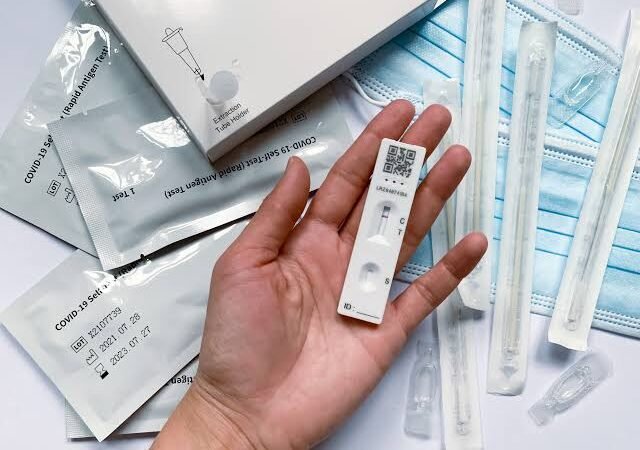
At-home rapid tests are convenient because you can collect a nasal sample and receive results in approximately 15–30 minutes, depending on the product. PCR and other molecular tests can detect smaller amounts of viral material, although the time needed to receive results depends on where and how the test is processed.
The important distinction is that a test being available does not automatically mean it is free. Before visiting a pharmacy or clinic, confirm whether the provider offers no-cost testing and whether you meet its eligibility requirements.
Where Can You Find Free COVID Tests?
Finding a free test may require checking more than one source. Programs that were widely available during the pandemic have changed, so it is best to confirm current availability before making a trip.
1. Local Health Departments
Your state, county, or city health department is a useful starting point. Some departments maintain information about community testing services, local clinics, or organizations that provide low-cost healthcare.
Visit your local health department’s official website or contact its information line. Ask whether free rapid antigen tests or laboratory testing are currently available, whether appointments are necessary, and whether identification or proof of residency is required.
Keep in mind that some areas no longer distribute free take-home kits.
2. Community Health Centers
Community health centers may offer testing for people who have limited insurance coverage or difficulty paying for healthcare. Services and fees vary by location, so contact the center before visiting.
Ask whether the clinic offers free testing, sliding-scale fees, or assistance through a public health program. If you have symptoms or are at increased risk of severe illness, mention this when contacting the provider.
3. Pharmacies and Retail Stores
Many pharmacies sell at-home COVID-19 test kits. Some may also provide testing services or participate in programs that reduce costs for eligible patients.
You can check major pharmacy websites, call your local branch, or ask a pharmacist about available options. If you have health insurance, ask whether your plan covers the test or offers reimbursement.
4. Health Insurance and Government Resources
Insurance coverage depends on the policy and type of test. Some plans may cover testing through a participating provider, while others may require you to pay for an at-home kit.
The official US government website, USA.gov, provides guidance on COVID-19 testing and links to state health resources. Visit its COVID-19 testing and vaccination guide to explore available options.
Do not assume that older federal programs remain active. Verify the current rules before relying on a previously advertised free testing service.
Rapid Antigen Tests vs. PCR Tests: Which Is Better?
Not every COVID-19 test serves the same purpose. The right choice depends on whether you need a quick answer, have symptoms, or need a more sensitive test to help clarify your infection status.
| Feature | Rapid antigen test | PCR or other molecular test |
|---|---|---|
| Result time | Usually 15–30 minutes | Often hours to a few days, depending on the service |
| Sample | Commonly a nasal swab | Sample type depends on the test |
| Convenience | Often suitable for home use | Frequently collected or processed by a healthcare provider |
| Detection | Less sensitive, especially early in infection | Generally more sensitive |
| Cost | Free only when an eligible program or benefit covers it | May be free through certain clinics, programs, or insurance arrangements |
| Best use | Quick screening and checking symptoms | Detecting infection when greater sensitivity is important |
The Centers for Disease Control and Prevention (CDC) explains that a single negative rapid antigen result does not rule out COVID-19. Molecular tests are generally more likely to detect an infection.
If you need an immediate answer before visiting a relative, a rapid test may be convenient. If symptoms persist despite negative results, a healthcare professional can help you decide whether repeat testing or a molecular test is appropriate.
When Should You Take a COVID-19 Test?
Testing can be helpful when you develop symptoms such as a sore throat, cough, fever, fatigue, or a runny nose. COVID-19 can resemble other respiratory illnesses, so symptoms alone cannot reliably identify the cause.
You may also consider testing after a known exposure or before visiting someone who is at higher risk of serious illness. Timing matters because a test taken too early may not detect an infection.
For a home antigen test, follow the manufacturer’s instructions and current public health guidance. The FDA recommends repeat testing after a negative result because the virus may not be detectable at the time of the first test. Follow the schedule appropriate for your symptoms and test type.
A Practical Example: Preparing to Visit an Older Relative
Imagine someone develops a mild cough two days before visiting an elderly parent who has a chronic health condition. They take a rapid test, and the result is negative.
Rather than treating that result as a guarantee, they check the test instructions, consider repeating the test at the recommended interval, and postpone the visit if they remain unwell. They may also improve ventilation and wear a well-fitting mask around others.
This approach shows why testing is most useful when combined with sensible precautions. A negative result is helpful information, but it cannot guarantee that a person is not infected or contagious.
How to Use an At-Home COVID Test Correctly
Getting a free or inexpensive test is only part of the process. Correct use helps reduce the risk of an inaccurate result.
-
Check the packaging. Confirm the test is appropriate for your situation and inspect its expiration date. Some products have officially extended expiration dates, so check the manufacturer’s information or the FDA’s test listing when necessary.
-
Read the instructions. Different brands may require different sample collection methods, processing times, and result-reading procedures.
-
Wash your hands. Clean your hands before and after collecting the sample.
-
Collect the sample carefully. Follow the instructions for the swab and avoid improvising the collection method.
-
Wait the specified time. Reading the result too early or too late may lead to an incorrect interpretation.
-
Act on the result. If the test is positive, take steps to reduce transmission and seek medical advice promptly if you are at increased risk of severe illness.
Never use a test beyond its confirmed expiration date or ignore the manufacturer’s safety instructions. The U.S. Food and Drug Administration maintains information about at-home COVID-19 tests, including product instructions and expiration details. See its official at-home COVID-19 test guide.
How to Avoid Paying More Than Necessary
If you cannot find free COVID tests, a few practical steps may help you identify affordable alternatives.
-
Call before visiting: Ask clinics and pharmacies about current prices and free testing eligibility.
-
Review your insurance benefits: Coverage for at-home kits and provider-administered tests can differ.
-
Check community programs: Local health departments and community clinics may know about assistance that is not widely advertised.
-
Compare the full cost: Consider consultation fees, testing charges, and whether a follow-up appointment might be necessary.
-
Avoid unverified offers: Be cautious of websites claiming to provide government-funded kits without clear evidence that the program is active.
A helpful habit is to check the date of any online announcement. A page describing a free testing initiative from 2022 or 2023 may still appear in search results even though the program has ended.
I find that checking eligibility and availability before travelling is a practical way to save both time and money when looking for healthcare services.
What If You Cannot Find Free COVID Tests?
Free testing is not equally available everywhere. In the United States, the federal distribution program for free at-home tests ended in June 2025, and some state programs ended along with it. This means you may need to explore local clinics, insurance benefits, or affordable retail options instead.
If you live outside the United States, the available options may be completely different. Check your country’s health ministry, public hospitals, or local healthcare providers for current testing arrangements.
People who are older, immunocompromised, or otherwise at increased risk of severe COVID-19 should contact a healthcare professional promptly if symptoms develop. Some treatments work best when started within the first few days of illness, so do not delay seeking medical advice while searching for a free kit. Seek emergency care for serious warning signs, such as difficulty breathing or persistent chest pain.
Also Read: Real ID: Requirements, Benefits, and How to Get One
Conclusion
Finding free COVID tests in 2026 requires checking current local programs rather than relying on outdated pandemic announcements. Health departments, community health centers, pharmacies, and insurance providers are useful places to start, although free options are not guaranteed.
Understanding the difference between rapid antigen and PCR tests can also help you choose the right option. Follow the instructions carefully, repeat a negative antigen test when recommended, and seek medical advice when symptoms persist or your risk of complications is high.
Ultimately, the most useful test is one that is appropriate for your situation, used correctly, and followed by sensible decisions to protect your health and the people around you.
FAQs
1. Are free COVID tests still available in 2026?
Yes, free testing may be available through certain local health departments, community health centers, healthcare providers, or eligible insurance benefits. However, the former US federal program for distributing free at-home kits ended in June 2025, so availability varies.
2. Can I order free COVID tests from the US government?
The previous federal program that distributed free at-home COVID-19 test kits is no longer active. Check USA.gov or your local health department for current testing resources rather than relying on old ordering links.
3. Where can I get a free COVID test near me?
Start by contacting your local health department, community health center, or nearby pharmacy. Ask whether free testing is currently offered and whether you need an appointment or proof of eligibility.
4. Are at-home COVID tests accurate?
At-home antigen tests can detect an active infection, but they are less sensitive than PCR and other molecular tests. A negative result does not completely rule out COVID-19, particularly early in an infection. Follow current repeat-testing recommendations.
5. Does health insurance cover COVID tests?
Coverage depends on your insurance plan, the type of test, and where you receive it. Some plans may cover testing through participating providers, while at-home test purchases may not be covered. Check your policy before paying.
6. Can I use an expired COVID test?
Possibly, if the manufacturer or relevant regulator has confirmed an extended expiration date for that specific test and lot. Check the FDA’s official information or the manufacturer’s website before using it. Do not use a test whose confirmed expiration date has passed.