
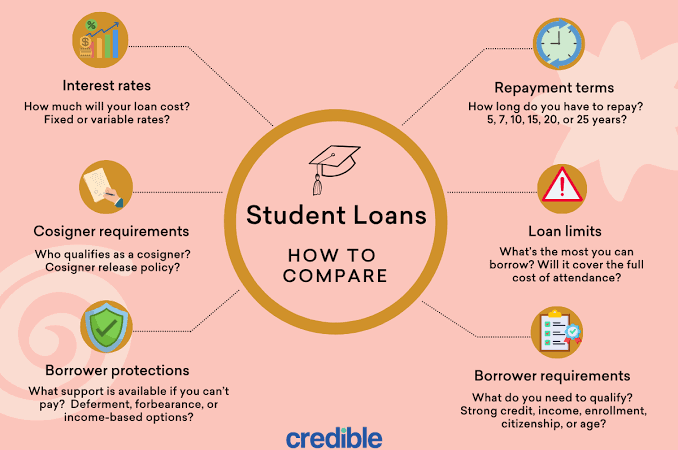
Student loan payments can become difficult to manage when your income drops, an unexpected expense arises, or you experience a major life change. If you’re struggling to keep up, student loan forbearance may offer temporary relief by allowing you to pause or reduce eligible loan payments.
However, a payment break doesn’t necessarily mean your debt stops growing. Interest may continue to accrue, increasing the amount you owe when regular payments resume. Understanding the rules, costs, and available alternatives can help you make a decision that protects your finances over the long term.
Whether you have federal student loans or private education debt, here’s what to know before requesting a temporary payment pause.
What Is Student Loan Forbearance?
Student loan forbearance is an arrangement that allows eligible borrowers to temporarily stop making payments or pay a reduced amount. It’s generally intended for people experiencing financial difficulties who need time to get back on track.
For federal student loans, forbearance is subject to specific eligibility requirements and program rules. Some types are granted at the loan servicer’s discretion, while others may be available when borrowers meet defined conditions.
Private lenders also offer forbearance or similar hardship arrangements, but their policies vary considerably. A lender might require proof of financial hardship, set a maximum relief period, or charge interest throughout the payment break.
The most important distinction: Forbearance provides temporary payment relief, not debt forgiveness. You generally remain responsible for repaying the outstanding balance and any interest that applies.
How Does Student Loan Forbearance Work?
The process usually begins by contacting your loan servicer or private lender. Explain your circumstances, ask which hardship options are available, and confirm the terms before agreeing to a payment pause.
Here’s how it typically works:
-
Review your loan details. Identify whether your loans are federal or private and check your current repayment arrangement.
-
Contact your servicer. Ask about general forbearance, mandatory forbearance where applicable, and other hardship options.
-
Submit any required documentation. Depending on the program, you may need to provide information about your finances or circumstances.
-
Confirm the effective date. Do not assume payments are paused simply because you submitted a request. Continue paying as required until your servicer confirms the arrangement.
-
Understand what happens next. Ask how interest will be handled, when payments resume, and whether unpaid interest may be added to your principal balance.
The exact process depends on your loan type and the rules in effect when you apply.
Types of Student Loan Forbearance
Federal student loans have different forbearance categories, while private lenders establish their own hardship policies.
General Forbearance
General forbearance may be available for certain eligible federal loans when borrowers face financial difficulties, medical expenses, changes in employment, or other qualifying circumstances.
Approval is generally at the loan servicer’s discretion. Availability and eligibility depend on the loan program and applicable rules.
Mandatory Forbearance
Mandatory forbearance applies to specific circumstances defined by federal regulations. When a borrower meets the relevant requirements and submits the necessary documentation, the servicer generally must grant it.
Qualifying situations can include certain eligible service obligations, medical or dental internship or residency programs, and other categories established under federal rules.
Private Student Loan Forbearance
Private student loan relief depends on the lender’s contract and hardship policies. Some lenders may offer temporary payment reductions, short payment pauses, or interest-only arrangements.
Always request the terms in writing. Two private lenders can treat similar financial difficulties very differently.
Student Loan Forbearance vs. Deferment
Forbearance and deferment both provide temporary payment relief, but they can affect your loan balance differently. With forbearance, interest generally continues to accrue on federal student loans. During deferment, interest may not accrue on certain eligible subsidized loans, although it generally continues on unsubsidized loans.
The comparison below applies primarily to U.S. federal student loans. Private loan terms vary by lender.
| Feature | Forbearance | Deferment |
|---|---|---|
| Monthly payments | Temporarily paused or reduced | Temporarily paused |
| Interest on eligible subsidized loans | Generally accrues | May be covered by the government |
| Interest on unsubsidized loans | Accrues | Generally accrues |
| Eligibility | Depends on the forbearance type | Depends on the qualifying deferment |
| Forgiveness progress | Generally does not count toward qualifying payment requirements | Depends on the program and deferment type |
You can review the official explanation of temporary relief from Federal Student Aid here: Deferment and Forbearance Guide.
Student Aid+1
What Happens to Interest During Forbearance?
Interest is one of the biggest factors to consider before pausing your payments. Although you may not need to make monthly payments during the approved period, interest generally continues accumulating on your federal student loans.
Consider a borrower with a $20,000 loan balance and a 6% annual interest rate. If the entire balance accrues interest at that rate for six months, approximately $600 in interest could accumulate, assuming a constant balance and a simple six-month estimate.
That money does not disappear when the payment break ends. You’ll still need to account for the accrued interest under your loan’s terms.
However, accrued interest and capitalized interest are not always the same thing. Capitalization means unpaid interest is added to the principal balance. For most federal Direct Loans, interest accrued during forbearance is not automatically capitalized simply because forbearance ends. Certain older loan programs may follow different rules.
Student Aid+1
If your budget allows, ask whether you can make voluntary payments toward the interest while your regular payments are paused. Even partial payments may help limit the additional cost.
Is Student Loan Forbearance a Good Idea?
Forbearance can be useful when you need short-term breathing room. It may help you cover essential expenses, manage a temporary income interruption, or avoid falling further behind while you work through a financial challenge.
Still, it’s not automatically the best choice.
Imagine that you’ve recently lost your job and have limited savings. Your student loan payment is due, but rent, groceries, and utility bills are already stretching your budget. A short forbearance period could give you time to find employment and stabilize your finances.
In that situation, temporary relief might be reasonable. But if your income has permanently decreased, a payment pause alone may simply delay the same problem.
My practical recommendation is to compare the total cost, the time available to recover financially, and the effect on any forgiveness program before deciding.
Potential Benefits
-
Provides temporary relief from required monthly payments.
-
Creates room in your budget during a financial emergency.
-
May help you avoid missed payments when the arrangement is approved and properly applied.
-
Gives you time to explore a longer-term repayment solution.
Potential Drawbacks
-
Interest generally continues accumulating.
-
Your overall repayment cost may increase.
-
You may lose time toward qualifying student loan forgiveness payments.
-
Your regular payments will eventually resume, so you need a plan for that date.
For borrowers pursuing Public Service Loan Forgiveness (PSLF), ordinary forbearance generally does not count as a qualifying monthly payment. Verify your specific circumstances with your servicer before accepting a pause.
Student Aid+1
Alternatives to Student Loan Forbearance
Before requesting a payment pause, compare it with other available options. A different repayment arrangement may provide more sustainable relief.
Income-Driven Repayment Plans
Eligible federal borrowers may qualify for a payment plan based on income and family size. Depending on the plan and circumstances, payments may be substantially lower than under a fixed-payment arrangement.
Some borrowers may qualify for payments as low as $0. Eligibility depends on the loan type, applicable program rules, income, and family circumstances.
Student Aid+1
Student Loan Deferment
Deferment may be preferable when you meet specific eligibility requirements, particularly if you have eligible subsidized federal loans for which interest is covered during the deferment period.
Extended Repayment
Some eligible federal borrowers can reduce their monthly payments by extending the repayment period. However, spreading payments over more years can increase the total interest paid.
Consumer Financial Protection Bureau+1
For a broader comparison, review the official Consumer Financial Protection Bureau guide to student loan repayment options.
How to Apply for Student Loan Forbearance
If forbearance appears suitable, follow these steps to help avoid unnecessary delays.
-
Identify your loan servicer. Federal borrowers can review their loan information through StudentAid.gov.
-
Explain your financial circumstances. Describe why you cannot currently afford your scheduled payments.
-
Ask about eligibility. Confirm whether general or mandatory forbearance applies to your situation.
-
Compare the alternatives. Request estimates for any lower-payment plans or deferment options for which you may qualify.
-
Review the written terms. Confirm the relief period, interest treatment, documentation requirements, and payment restart date.
-
Keep records. Save approval notices and communications, and check your account regularly.
Do not stop making payments until your servicer confirms that your request has been approved and explains when the pause begins. Private lenders may have different procedures and conditions.
Consumer Financial Protection Bureau+1
FAQs
1. How long can student loan forbearance last?
For many eligible federal loans, general forbearance may be granted for up to 12 months at a time, subject to applicable limits. Other categories have different rules. Private lenders determine their own terms within applicable legal requirements.
2. Does forbearance hurt your credit score?
An approved forbearance is not the same as simply missing payments. However, your account history and credit reporting can depend on your circumstances and loan terms. Confirm that your arrangement has been properly applied before assuming payments are no longer due.
3. Can I make payments during forbearance?
Generally, you can make voluntary payments toward your loan while in forbearance. Paying accrued interest may help reduce the cost of the pause, even when you cannot afford the full scheduled payment. Check with your servicer about how payments will be applied.
4. Does forbearance qualify for student loan forgiveness?
Ordinary forbearance generally does not count toward the qualifying monthly payments required for programs such as Public Service Loan Forgiveness. Special rules or exceptions may apply, so verify your eligibility before agreeing to a payment pause.
5. Is forbearance better than deferment?
Neither option is universally better. Deferment may offer an interest advantage for eligible subsidized federal loans, while forbearance can provide relief when other options are unavailable. Compare eligibility, interest costs, and any effect on forgiveness.
6. Can private student loans qualify for forbearance?
Yes, some private lenders offer hardship forbearance or similar payment-relief arrangements. Availability, duration, fees, and interest treatment depend on the lender’s policies and your loan agreement.
Also Read: MOHELA Student Loans: Payments, Login & Repayment
Conclusion
Student loan forbearance can provide valuable short-term relief when financial circumstances make regular payments difficult. But because interest generally continues to accrue, a payment pause may increase the cost of your education debt without solving the underlying affordability problem.
Before applying, compare forbearance with deferment, income-driven repayment, and other available options. Confirm your eligibility, understand the written terms, and create a plan for when payments resume. The right decision is the one that addresses your immediate financial needs while keeping your longer-term repayment goals in view.