Pregnancy can bring a wide range of physical and emotional changes, sometimes before a missed period even occurs. While some people notice early clues within days of conception, others experience very few changes during the first several weeks. Understanding common pregnancy symptoms can help you recognize what your body may be telling you and decide when to take a pregnancy test.
From breast tenderness and unusual tiredness to nausea and frequent urination, early signs vary considerably. However, not every symptom indicates pregnancy, and some can resemble premenstrual syndrome (PMS). Knowing the differences can help you make more informed decisions.
What Are the Earliest Signs of Pregnancy?
Early pregnancy symptoms develop as hormonal levels change after implantation. The body begins producing human chorionic gonadotropin (hCG), a hormone that supports early pregnancy and is detected by most pregnancy tests.
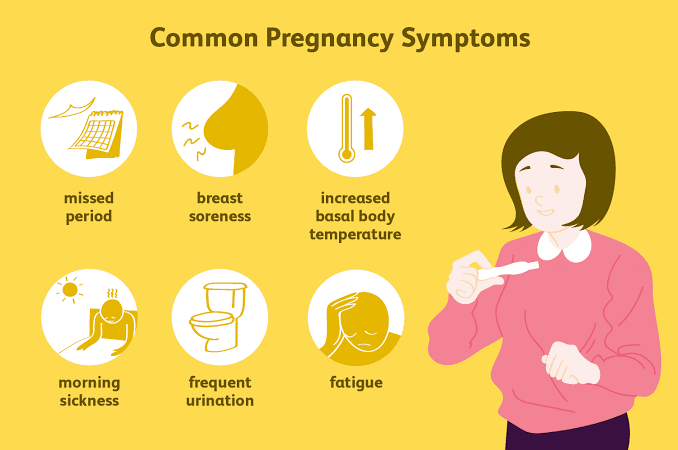
Some common early signs include:
-
Missed period: One of the most recognizable early indicators, particularly for people with regular menstrual cycles.
-
Breast tenderness: Breasts may feel swollen, sensitive, or heavier than usual.
-
Fatigue: Rising progesterone levels can contribute to unusual tiredness.
-
Mild cramping: Some people experience light, period-like cramps.
-
Light spotting: Small amounts of pink or brown discharge may occur in early pregnancy.
-
Nausea: Morning sickness can happen at any time of day.
-
Frequent urination: Hormonal changes and increased blood flow can make bathroom visits more common.
-
Bloating: Hormonal fluctuations may slow digestion and create a bloated feeling.
Experiencing one or several of these changes does not automatically mean pregnancy. A test is the most reliable way to check.
Pregnancy Symptoms Week by Week
Pregnancy symptoms do not follow an identical schedule for everyone. Some people notice changes early, while others experience them gradually.
Week 1 and Week 2: Before Conception
Pregnancy is generally dated from the first day of the last menstrual period. This means the first two weeks of a typical pregnancy calculation usually occur before fertilization.
During this period, the body prepares for ovulation. You might notice changes in cervical mucus, mild pelvic discomfort, or other normal menstrual-cycle symptoms.
Week 3: Fertilization and Implantation
If fertilization occurs, the developing embryo travels toward the uterus. Implantation generally happens around six to twelve days after ovulation.
Some people report mild spotting or cramping around this time, although many experience nothing noticeable.
Week 4: Possible Early Pregnancy Signs
Around the time of an expected period, early signs may become more noticeable.
You might experience breast sensitivity, tiredness, bloating, or a missed period. A home pregnancy test may also begin detecting hCG.
Week 5 and Week 6: Hormonal Changes Become More Noticeable
Pregnancy hormones continue increasing, potentially causing nausea, food aversions, stronger sensitivity to smells, and frequent urination.
Some people also experience mood changes or constipation.
Week 7 and Week 8: Symptoms May Intensify
During these weeks, nausea and fatigue may become more noticeable. Breast changes can continue, and certain foods or smells may suddenly become unpleasant.
However, having mild symptoms or no obvious symptoms can also be completely normal.
Early Pregnancy Symptoms vs. PMS
Pregnancy and premenstrual syndrome share several symptoms because both involve hormonal changes. This overlap can make it difficult to distinguish between them without testing.
| Symptom | Early Pregnancy | PMS |
|---|---|---|
| Breast tenderness | May continue or increase | Usually improves when menstruation begins |
| Fatigue | Can be significant | Often temporary |
| Nausea | Can occur at any time | Less typical |
| Cramping | Sometimes mild | Common before menstruation |
| Spotting | Sometimes light | Menstrual bleeding may follow |
| Missed period | Common indicator | Period generally arrives |
| Food aversions | May develop | Less characteristic |
One useful distinction is what happens when the expected period date passes. Pregnancy-related symptoms may continue, while PMS symptoms generally improve once menstruation begins. Nevertheless, symptoms alone cannot confirm pregnancy.
Less Obvious Signs That May Occur
Not all early pregnancy changes receive the same attention. Some are subtle but worth understanding.
Changes in taste: Some people notice a metallic taste in their mouth or unusual food preferences.
Constipation: Progesterone can relax digestive muscles and slow intestinal movement.
Increased vaginal discharge: Thin, milky-white discharge without an unpleasant smell may increase during pregnancy.
Heightened sense of smell: Everyday scents, including cooking aromas and perfumes, may suddenly seem stronger.
Mood changes: Hormonal fluctuations, tiredness, and physical adjustments can influence emotions.
Headaches and dizziness: Changes in circulation and hormones may contribute to occasional headaches or lightheadedness.
These symptoms are not exclusive to pregnancy. Dehydration, stress, illness, and other hormonal conditions can produce similar experiences.
When Should You Take a Pregnancy Test?
A home pregnancy test detects hCG in urine. Although some sensitive tests advertise early detection, testing too soon can produce a false-negative result because hormone levels may still be too low.
For the most dependable result, consider these guidelines:
-
On the first day of a missed period: Most home pregnancy tests can provide reliable results from this point.
-
If your periods are irregular: Take a test at least 21 days after unprotected sex.
-
If the result is negative: Repeat the test after a few days if your period still hasn’t arrived.
-
If the result is positive: Arrange an appointment with a qualified healthcare professional to discuss prenatal care.
Always follow the instructions on your testing kit.
NHS+1
A Practical Example: Recognizing Early Changes
Imagine someone whose menstrual cycle is usually regular. Their expected period is several days late, and they have recently noticed unusual tiredness, sensitive breasts, and occasional nausea.
Initially, they assume these changes are related to stress or an approaching period. However, because their period does not arrive, they decide to take a home pregnancy test. The result is positive.
This example illustrates why paying attention to changes in your normal menstrual pattern can be useful. Rather than relying on individual symptoms, combining cycle information with an appropriately timed pregnancy test provides a clearer picture.
One important observation is that tracking symptoms alongside menstrual dates can make it easier to explain changes accurately during a medical appointment.
What Should You Do After a Positive Test?
A positive result is an important reason to begin planning appropriate healthcare.
Consider these steps:
-
Schedule an appointment with an obstetrician or qualified healthcare provider.
-
Discuss starting a prenatal vitamin containing 400 micrograms of folic acid daily, unless your clinician recommends a different dose.
-
Avoid alcohol, smoking, and recreational drugs.
-
Review prescription and over-the-counter medications with your healthcare provider.
-
Choose a balanced diet and stay adequately hydrated.
-
Ask about the recommended timing of your first prenatal appointment and ultrasound.
Early prenatal care helps monitor your health, identify potential concerns, and support a healthy pregnancy.
When Should You Seek Medical Attention?
Although many early changes are normal, certain symptoms require prompt medical evaluation.
Seek urgent medical attention if you experience:
-
Severe or persistent abdominal pain.
-
Pain concentrated on one side of your lower abdomen.
-
Vaginal bleeding accompanied by pain.
-
Shoulder-tip pain.
-
Severe dizziness, weakness, or fainting.
-
Persistent vomiting that prevents you from keeping fluids down.
These symptoms can sometimes indicate complications, including ectopic pregnancy, which occurs when a fertilized egg implants outside the uterus. Sudden severe abdominal pain, fainting, or significant dizziness requires emergency care.
NHS+2
Conclusion
Recognizing pregnancy symptoms can help you understand the changes happening in your body, especially during the first few weeks. A missed period, breast tenderness, fatigue, nausea, and frequent urination are among the common early indicators.
However, every pregnancy is different, and some people experience very few noticeable changes. Symptoms alone cannot confirm conception or determine whether a pregnancy is progressing normally.
If you suspect pregnancy, take a home test at the appropriate time and consult a healthcare professional about the next steps. Accurate information, timely testing, and early prenatal care can make the experience less confusing and help you make informed decisions.
FAQs
1. What are the first signs of pregnancy?
Common early indicators include a missed period, tender breasts, fatigue, nausea, mild cramping, bloating, and frequent urination. However, these signs vary between individuals.
2. Can pregnancy symptoms start before a missed period?
Yes. Some people notice breast tenderness, tiredness, or mild spotting before their expected period. However, these changes can also occur because of normal hormonal fluctuations.
3. How soon can pregnancy symptoms appear after conception?
Some changes may appear around implantation, but noticeable symptoms commonly develop around four to six weeks of pregnancy, calculated from the last menstrual period.
4. Can you be pregnant without experiencing symptoms?
Yes. Some pregnant people experience very few symptoms during early pregnancy. The absence of nausea, breast tenderness, or fatigue does not rule out pregnancy.
5. Is cramping normal during early pregnancy?
Mild cramping can occur during early pregnancy. However, severe pain, persistent discomfort, or one-sided pelvic pain should be assessed by a healthcare professional.
6. Can a pregnancy test be negative even if you are pregnant?
Yes. Testing too early can produce a false-negative result. If your period remains absent, repeat the test after a few days or consult a healthcare professional.