
Paying for college can feel overwhelming, especially when tuition, books, housing, and other expenses start adding up. The good news? Financial aid can make higher education more affordable, and completing the Free Application for Federal Student Aid (FAFSA) is an important first step.
Understanding the fafsa deadline is essential if you want to qualify for federal grants, student loans, work-study opportunities, and financial assistance offered by your state or college. However, there isn’t just one deadline to remember. Federal, state, and college deadlines can differ significantly, and waiting until the last minute could mean missing out on valuable aid.
Here’s what you need to know about important dates, eligibility, and the steps you can take to submit your application confidently.
When Is the FAFSA Deadline for 2026–2027?
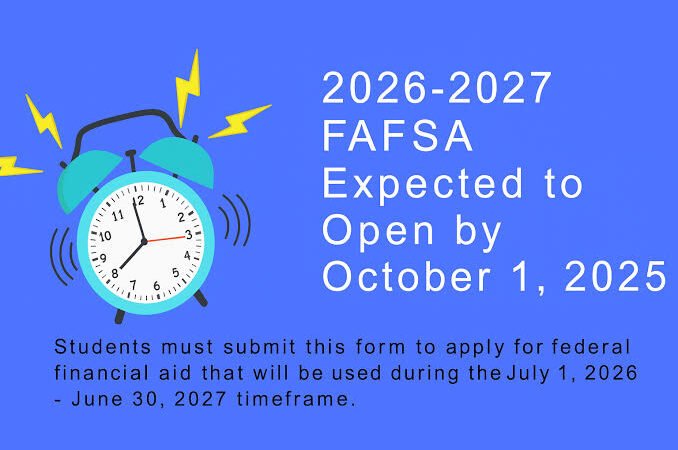
For students seeking financial aid for the 2026–2027 academic year, the federal application deadline is June 30, 2027. The application covers eligible enrollment between July 1, 2026, and June 30, 2027.
However, the federal deadline shouldn’t be your target submission date. Many states and colleges establish earlier deadlines, and some financial aid programs distribute limited funding on a first-come, first-served basis.
The 2027–2028 FAFSA is also available by October 1, 2026, according to Federal Student Aid. Students planning to attend college between July 1, 2027, and June 30, 2028, should complete that year’s application instead.
Before submitting, confirm which academic year applies to your enrollment plans.
Understanding the Three Types of FAFSA Deadlines
The easiest way to avoid confusion is to separate the deadlines into three categories.
1. Federal FAFSA deadline
The federal government sets the final date for submitting your application for a particular award year. Missing it generally means you cannot submit that year’s FAFSA for federal student aid.
For the 2026–2027 award year, the deadline is June 30, 2027. Although this date provides a final opportunity to apply, waiting until then could leave you without certain state or institutional funding.
2. State financial aid deadlines
Each state establishes its own rules for grants, scholarships, and other assistance. Some states publish a firm deadline, while others recommend applying as soon as possible because funds are limited.
You may also need to complete additional state-specific forms. Check the official Federal Student Aid deadline information and your state’s financial aid agency for the applicable requirements.
3. College and university deadlines
Individual institutions may set priority dates for scholarships, grants, and campus-based financial aid. These deadlines can arrive months before the federal cutoff.
If you’re applying to multiple colleges, check every school’s financial aid website. Don’t assume that one institution’s deadline applies to another.
FAFSA Deadline Comparison: Which Date Matters Most?
Knowing how these dates differ can help you plan your application more effectively.
|
Deadline type |
What it means |
What you should do |
|---|---|---|
|
Federal deadline |
Final date for the federal application |
Submit before June 30, 2027, for 2026–2027 aid |
|
State deadline |
Cutoff or priority date for state assistance |
Check your state’s official requirements |
|
College deadline |
Institution-specific date for financial aid consideration |
Contact each college’s financial aid office |
|
Scholarship deadline |
Separate date for particular scholarship programs |
Review each scholarship’s application rules |
The key takeaway is simple: follow the earliest deadline that applies to you. Meeting the federal cutoff doesn’t automatically guarantee eligibility for every state grant, college scholarship, or other financial aid program.
What Happens If You Miss the FAFSA Deadline?
Missing a deadline doesn’t always mean you’ve lost every opportunity to receive financial assistance.
If your state’s priority date has passed, you may still qualify for federal aid and potentially other programs. Likewise, some colleges continue processing applications after their priority deadlines, depending on funding availability and institutional policies.
Here’s a realistic example.
Imagine you’re a high school senior planning to start college in fall 2027. You assume you can submit your application in June 2027 because that’s the federal cutoff. Unfortunately, your preferred college’s priority deadline falls several months earlier. By waiting, you could reduce your chances of receiving limited institutional grants, even if your federal application is technically on time.
If you’ve already missed a deadline, don’t give up. Complete your FAFSA as soon as possible, contact your college’s financial aid office, and ask whether late consideration is available. You should also check for scholarships with separate application processes.
How to Meet the FAFSA Application Deadline
A little preparation can make the process much easier. Use these practical steps to keep your application on track.
Create your StudentAid.gov account
You’ll need a StudentAid.gov account to access the online application. If you’re a dependent student, a parent or other required contributor may also need an account to complete their portion.
Create the account early so you have time to resolve login or identity-verification issues.
Gather your financial information
Before starting, prepare the information requested by the application. Depending on your circumstances, this may include tax information, financial records, personal details, and contributor information.
The online process can use approved federal tax information transfers, so you may not need to enter every tax figure manually.
Submit the correct application year
Choose the FAFSA that matches the academic year for which you’re requesting aid.
-
2026–2027 FAFSA: For eligible enrollment from July 1, 2026, through June 30, 2027.
-
2027–2028 FAFSA: For eligible enrollment from July 1, 2027, through June 30, 2028.
If you’re applying for summer classes, ask your school’s financial aid office which application year you need.
Review your application and track its status
After submitting, check your FAFSA Submission Summary for your Student Aid Index (SAI), estimated federal aid eligibility, and any issues requiring attention. The summary isn’t a final financial aid offer.
Your college may request additional documentation or corrections before finalizing your award. Respond promptly to avoid unnecessary delays.
One lesson that becomes clear when navigating financial-aid guidance is that submitting early is only half the job; following up on outstanding requirements matters just as much.
Check for additional aid opportunities
FAFSA isn’t the only source of college funding. Research institutional scholarships, private scholarships, and state grants that may require separate applications.
Keeping a calendar with each application’s deadline, required documents, and confirmation status can help prevent overlooked opportunities.
Why Applying Early Can Make a Difference
Submitting your application early gives you more time to correct mistakes, respond to requests, and compare financial aid offers. It can also improve your chances of being considered for programs with limited funding.
Remember, filing the FAFSA doesn’t commit you to attending a particular college. You can generally list multiple schools and update your school selections when needed.
For official guidance, visit StudentAid.gov , where you can access the application, review deadline information, and find help with common questions. The application is free, so avoid websites that charge unnecessary fees to submit it for you.
Also Read: Pell Grant: Eligibility, Amounts & How to Apply in 2026!
Conclusion
Knowing the FAFSA deadline can make a meaningful difference in how you plan and pay for college. For the 2026–2027 academic year, the federal deadline is June 30, 2027, while the 2027–2028 application is available for students preparing for the following academic year.
However, the federal cutoff is only one piece of the puzzle. State programs, colleges, and scholarship providers may have earlier deadlines or additional requirements.
Your best strategy is to identify the correct application year, check every relevant deadline, submit your form early, and monitor your application status. Taking these steps can help you avoid unnecessary stress and put you in a stronger position to explore the financial assistance available for your education.
FAQs
1. What is the FAFSA deadline for 2026–2027?
The federal deadline is June 30, 2027. State and college deadlines may be earlier, so check the official requirements for your location and school.
2. When can I submit the 2027–2028 FAFSA?
The 2027–2028 FAFSA is available by October 1, 2026. It applies to eligible enrollment during the July 1, 2027, through June 30, 2028, award year.
3. Can I still receive financial aid if I miss my state’s deadline?
Possibly. Missing a state deadline doesn’t automatically make you ineligible for federal student aid. However, you may lose access to certain state-funded programs. Submit your FAFSA and contact your financial aid office for guidance.
4. Is the FAFSA deadline the same for every college?
No. Each college can establish its own priority dates and institutional requirements. Check the financial aid website of every school you’re considering.
5. Does completing the FAFSA guarantee financial aid?
No. Submitting the application allows the relevant agencies and institutions to assess your eligibility. The amount and type of aid you receive depend on applicable eligibility rules, available funding, and other factors.
6. Is there a fee to submit the FAFSA?
No. The official FAFSA application is free. Use StudentAid.gov to access the application and official assistance.