
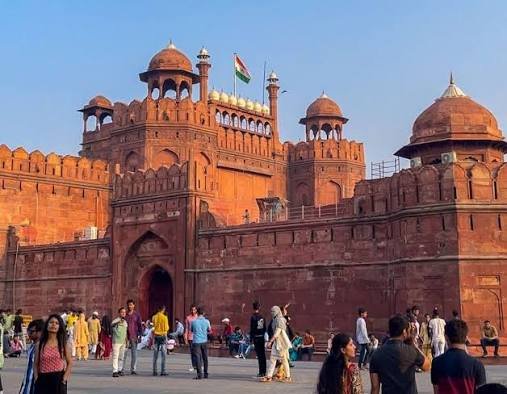
India is a country where ancient traditions meet modern ambitions, creating a fascinating blend of cultures, languages, landscapes, and lifestyles. From the snow-covered Himalayas in the north to the tropical beaches in the south, the nation offers remarkable diversity. It is home to historic monuments, bustling cities, spiritual destinations, and a rapidly growing economy.
For travelers, students, business owners, and curious readers, understanding this South Asian nation means exploring more than its famous landmarks. Its identity is shaped by centuries of history, regional traditions, technological progress, and the everyday lives of its people.
Whether you are researching its culture, planning a visit, or learning about its global influence, this guide explores the essential facts and unique characteristics that make the country so distinctive.
Where Is India Located?
India is situated in South Asia and occupies a large portion of the Indian subcontinent. It shares land borders with Pakistan, China, Nepal, Bhutan, Bangladesh, and Myanmar. The Indian Ocean lies to its south, while the Arabian Sea and Bay of Bengal border its western and eastern coastlines.
The country’s capital is New Delhi, which forms part of the larger National Capital Territory of Delhi.
India is the world’s seventh-largest country by geographical area and the most populous country, according to recent United Nations estimates. Its enormous population contributes to a wide range of languages, cultural practices, economic activities, and regional identities.
The country is divided into 28 states and 8 union territories. Each region has its own administrative structure, cultural traditions, and local attractions.
A Brief History of India
The history of the Indian subcontinent stretches back thousands of years. One of its earliest major civilizations was the Indus Valley Civilization, which developed around 2600 BCE. Cities such as Harappa and Mohenjo-daro demonstrated impressive urban planning, drainage systems, and organized settlements.
Over time, the region witnessed the rise of powerful kingdoms and empires, including the Maurya and Gupta empires. These periods contributed significantly to mathematics, philosophy, literature, astronomy, and religious thought.
The Mughal Empire later influenced architecture, cuisine, administration, and artistic traditions. Monuments such as the Taj Mahal reflect the extraordinary craftsmanship associated with this period.
During the eighteenth and nineteenth centuries, British influence expanded across the subcontinent. India eventually came under direct British rule in 1858.
The independence movement gained momentum through the efforts of many leaders, including Mahatma Gandhi, Jawaharlal Nehru, Subhas Chandra Bose, and countless others. India gained independence on August 15, 1947.
The country adopted its Constitution on January 26, 1950, establishing itself as a sovereign democratic republic.
India’s Culture and Traditions
One of the most remarkable aspects of the country is its cultural diversity. Different communities celebrate their own festivals, follow regional customs, and preserve traditional art forms.
Major festivals include:
-
Diwali: The festival of lights, widely associated with the victory of light over darkness.
-
Holi: A colorful celebration that welcomes spring and encourages community participation.
-
Eid: Celebrated by Muslim communities, with prayers, family gatherings, and charitable activities.
-
Durga Puja: A major festival celebrated especially in West Bengal.
-
Pongal: A harvest festival primarily associated with Tamil Nadu.
Indian music and dance also reflect this diversity. Classical dance forms such as Bharatanatyam, Kathak, Odissi, and Kathakali preserve centuries of artistic tradition.
Languages are another defining feature. Hindi and English are widely used in national communication and administration, while the Constitution recognizes 22 scheduled languages. Bengali, Tamil, Telugu, Marathi, Gujarati, Punjabi, and many others are spoken across different regions.
Geography and Natural Beauty
India’s landscape is exceptionally varied, offering everything from towering mountains to fertile plains and tropical islands.
The Himalayas dominate the northern region, providing dramatic scenery and supporting important river systems. The Ganges, Brahmaputra, and Indus river systems have played major roles in agriculture, settlement, and civilization.
The Thar Desert stretches across parts of Rajasthan, while the Western and Eastern Ghats support rich biodiversity. Southern India features coastal landscapes, forests, and hill stations.
For travelers, the differences between regions can be striking. A visit to Rajasthan may involve exploring desert forts and historic palaces, while Kerala offers peaceful backwaters and lush greenery. In the north, destinations such as Himachal Pradesh and Uttarakhand attract visitors interested in mountain scenery and outdoor activities.
This geographical variety makes the country attractive to nature lovers, photographers, and adventure travelers.
Indian Cuisine: A Journey Through Regional Flavors
Food is one of the most enjoyable ways to understand the country’s regional identity. Indian cuisine is known for its spices, cooking techniques, and incredible variety of ingredients.
Northern regions are famous for dishes such as butter chicken, naan, biryani, and dal makhani. Southern cuisine often features rice, coconut, lentils, dosa, idli, and sambar. Western India offers dishes such as dhokla and pav bhaji, while eastern regions are celebrated for sweets like rasgulla and sandesh.
Spices such as turmeric, cumin, coriander, cardamom, and black pepper are central to many traditional recipes. However, Indian food is not always spicy. Some dishes are mild, creamy, sweet, or tangy, depending on the region and preparation.
A personal observation worth noting is that exploring Indian food through regional dishes often reveals more about local culture than simply visiting popular restaurants.
India’s Economy and Modern Development
India has developed into one of the world’s major economies, supported by agriculture, manufacturing, technology, services, and domestic consumption.
Agriculture remains important to employment and rural livelihoods. Rice, wheat, cotton, sugarcane, and pulses are among the country’s major agricultural products.
The services sector contributes substantially to economic activity. India has become an important destination for information technology services, software development, financial services, and business outsourcing.
Cities such as Bengaluru, Hyderabad, Mumbai, Pune, and Gurugram have emerged as major business and technology centers.
The country has also made significant progress in digital infrastructure. Digital payment systems, online banking, e-commerce, and mobile-based public services have changed how many people manage daily activities.
For example, India’s Unified Payments Interface (UPI) enables people to transfer money between participating bank accounts through supported digital applications. Its widespread adoption has made digital transactions an important part of everyday commerce.
However, development remains uneven. Rural infrastructure, access to quality education, employment opportunities, and income inequality continue to present challenges.
Tourism: Places Worth Exploring
India offers a wide range of destinations for visitors with different interests.
Some of its most recognized attractions include:
-
Taj Mahal: A magnificent marble mausoleum built by Mughal emperor Shah Jahan in memory of Mumtaz Mahal.
-
Jaipur: Known for its historic palaces, forts, and distinctive pink-colored architecture.
-
Varanasi: One of the world’s oldest continuously inhabited cities and an important spiritual destination.
-
Goa: Famous for its beaches, Portuguese-influenced architecture, and relaxed coastal atmosphere.
-
Kerala: Recognized for its backwaters, greenery, Ayurveda traditions, and scenic landscapes.
A practical example is a traveler planning a two-week visit. They might spend several days exploring Delhi and Agra, continue to Jaipur for its historical architecture, and then travel south to Kerala for a completely different experience. This itinerary demonstrates how dramatically the country’s scenery and cultural atmosphere can change within one trip.
India Compared With Other South Asian Countries
India shares historical, cultural, and geographical connections with neighboring countries. However, each nation has its own identity, political system, and travel experiences.
| Feature | India | Pakistan | Bangladesh |
|---|---|---|---|
| Capital | New Delhi | Islamabad | Dhaka |
| Official national language | Hindi at the Union level | Urdu | Bengali |
| Currency | Indian rupee | Pakistani rupee | Bangladeshi taka |
| Independence | 1947 | 1947 | 1971 |
| Major geographical feature | Himalayas and extensive coastlines | Mountains and Indus River system | Ganges-Brahmaputra delta |
These similarities and differences reflect the shared historical roots and distinct national developments of South Asia.
Challenges and Opportunities
Despite its achievements, the country faces several significant challenges.
Rapid urbanization has increased pressure on transportation systems, housing, water supplies, and public services. Air pollution is a serious concern in several cities, particularly during certain seasons.
Employment opportunities for a large and youthful population remain an important priority. Improving access to education, healthcare, and professional training can help support long-term development.
At the same time, India’s expanding technology sector, entrepreneurial ecosystem, renewable energy investments, and growing consumer market create substantial opportunities.
The balance between economic growth, environmental protection, and inclusive development will influence the country’s future.
Also Read: Coyyn.com Digital Money: A Complete Guide for Everyone!
Conclusion
India is a country of remarkable contrasts, where ancient civilizations, vibrant cultural traditions, and modern innovation exist side by side. Its history has shaped its architecture, languages, cuisine, and social values, while its growing economy continues to influence global industries.
From the Himalayan mountains and historic monuments to bustling technology hubs and peaceful coastal destinations, the country offers something for almost every interest.
Understanding this diverse nation requires looking beyond its most famous landmarks. Its regional cultures, everyday traditions, economic progress, and ongoing challenges all contribute to its unique identity.
Whether you are exploring its history, planning a journey, or learning about its global significance, India remains one of the most fascinating countries to discover.
FAQs
1. What is India famous for?
India is famous for its rich history, diverse cultures, traditional cuisine, religious heritage, historic monuments, Bollywood film industry, and growing technology sector.
2. What is the capital of India?
New Delhi is the capital of India. It is an important center of national government, politics, administration, and diplomacy.
3. What is the official language of India?
Hindi is the official language of the Union government, and English is also used for official purposes. India has 22 constitutionally recognized scheduled languages, reflecting its linguistic diversity.
4. What is the best time to visit India?
The best time to visit many parts of India is between October and March, when temperatures are generally more comfortable. However, the ideal season depends on the destination, altitude, and regional climate.
5. Is India a good destination for tourists?
Yes. India offers historical attractions, cultural experiences, natural landscapes, spiritual destinations, and diverse food. Travelers should plan according to regional weather, transportation, and local travel requirements.
6. What currency is used in India?
The official currency is the Indian rupee, represented by the symbol ₹ and the currency code INR.