
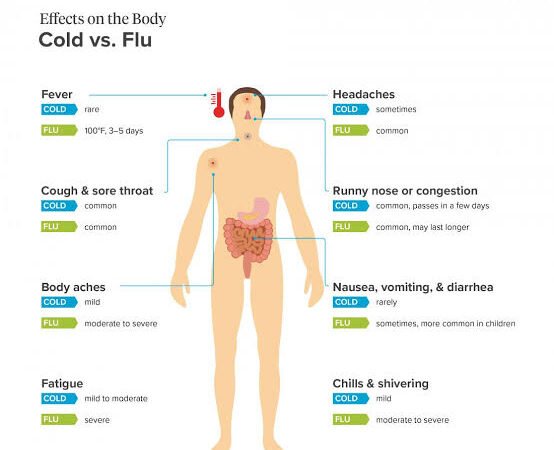
A common cold can start with a barely noticeable tickle in the throat and quickly develop into sneezing, congestion, coughing, and general discomfort. Although most colds are mild, their symptoms can interfere with sleep, work, school, and everyday activities. Understanding what to expect makes it easier to manage discomfort and recognize when something more serious might be happening.
Cold symptoms usually develop gradually after exposure to a respiratory virus. They can vary from person to person depending on age, immune response, and the virus responsible. While there is no instant cure for the common cold, supportive care can help you feel better while your body recovers.
What Are the First Signs of a Common Cold?
The earliest signs are often subtle. You might notice a scratchy throat, frequent sneezing, or an unusual feeling of tiredness before other symptoms appear.
Most people develop noticeable symptoms approximately one to three days after becoming infected. The condition generally progresses over several days, although some symptoms can last longer.
Common early warning signs include:
-
A dry or scratchy throat.
-
Frequent sneezing.
-
A runny or stuffy nose.
-
Mild headaches.
-
Slight body aches.
-
Feeling unusually tired.
-
Watery eyes.
Not everyone experiences these signs in the same order. Some people begin with nasal irritation, while others first notice throat discomfort.
Most Common Cold Symptoms to Recognize
A cold affects the upper respiratory tract, particularly the nose and throat. Its symptoms are usually uncomfortable rather than dangerous, although complications can occasionally develop.
1. Runny or Stuffy Nose
Nasal congestion is one of the most recognizable signs of a cold. The lining inside your nose becomes inflamed, causing swelling and increased mucus production.
At first, nasal discharge may be clear and watery. It can become thicker or change color as the illness progresses. Yellow or green mucus alone does not mean you have a bacterial infection or need antibiotics.
2. Sneezing
Sneezing is your body’s natural response to irritation inside the nasal passages. Respiratory viruses can trigger inflammation, making you sneeze repeatedly.
It often appears early and may continue alongside a runny nose.
3. Sore or Scratchy Throat
Throat irritation is another common early complaint. You may experience mild pain when swallowing, dryness, or a persistent tickling sensation.
Drinking warm liquids, using throat lozenges, and gargling with warm salt water may provide temporary relief.
4. Coughing
A cough can develop as mucus irritates the throat or respiratory passages. Some people experience a dry cough, while others produce mucus.
Coughing may continue after other signs have disappeared because the airways can remain sensitive for a while.
5. Mild Headaches and Body Aches
Some individuals experience headaches, muscle discomfort, or a general feeling of heaviness.
These symptoms are usually less intense than those associated with influenza. Rest, adequate fluids, and appropriate pain relief can help manage discomfort.
6. Fatigue and Low Energy
Feeling tired is common during a respiratory infection. Your immune system is working to fight the virus, and disrupted sleep can make exhaustion worse.
Taking a break from strenuous activities gives your body time to recover.
Cold vs. Flu vs. COVID-19: Understanding the Difference
Colds, influenza, and COVID-19 can produce similar symptoms, which makes identifying the illness based on symptoms alone difficult.
However, certain patterns can provide useful clues.
| Symptom | Common Cold | Flu | COVID-19 |
|---|---|---|---|
| Onset | Gradual | Often sudden | Variable |
| Sneezing | Common | Sometimes | Sometimes |
| Runny nose | Common | Sometimes | Common |
| Fever | Uncommon in adults | Common | Possible |
| Body aches | Usually mild | Often significant | Possible |
| Fatigue | Usually mild | Often intense | Can be significant |
| Cough | Common | Common | Common |
| Sore throat | Common | Possible | Common |
These differences are general patterns, not reliable diagnostic rules. A COVID-19 test or influenza test may be appropriate depending on your symptoms, exposure, and medical risk factors.
One important distinction is how quickly you become unwell. A cold often builds gradually, whereas influenza can leave someone feeling extremely ill within a short period.
How Long Do Cold Symptoms Last?
Most adults recover from an ordinary cold within seven to ten days, although the exact duration varies.
Here is a general overview of how the illness may progress:
| Stage | Typical Experience |
|---|---|
| Days 1–2 | Scratchy throat, sneezing, and mild irritation |
| Days 2–4 | Nasal congestion, runny nose, and increasing discomfort |
| Days 4–7 | Coughing and congestion may become more noticeable |
| Days 7–10 | Most symptoms gradually improve |
| After 10 days | Some people continue experiencing a lingering cough |
Children may experience symptoms for longer than adults. A cough can also persist for two to three weeks after the initial infection.
If symptoms continue without improvement, become worse after initially getting better, or include concerning warning signs, medical advice is recommended.
Effective Ways to Relieve Cold Discomfort
There is no medication that directly eliminates the viruses responsible for ordinary colds. However, several practical measures can make recovery more comfortable.
Get Enough Rest
Sleep supports normal immune function. Avoid pushing yourself through exhausting activities when you feel unwell.
If possible, reduce your workload and allow yourself additional recovery time.
Drink Plenty of Fluids
Water, soup, and warm beverages help maintain hydration. Warm liquids may also soothe throat irritation and make mucus feel easier to clear.
Avoid relying heavily on sugary drinks.
Try Saline Nasal Spray
Saline sprays can moisturize irritated nasal passages and help loosen mucus. Nasal irrigation may also provide relief, but always use distilled, sterile, or previously boiled and cooled water.
Use a Humidifier
Dry indoor air can aggravate nasal and throat irritation. A clean cool-mist humidifier may make breathing more comfortable.
Clean it according to the manufacturer’s instructions to prevent mold and bacterial growth.
Consider Appropriate Medication
Over-the-counter medicines may help control individual symptoms.
-
Acetaminophen: Can reduce fever, headaches, and body aches.
-
Ibuprofen: May relieve pain and fever when suitable.
-
Decongestants: Can temporarily reduce nasal blockage.
-
Cough medicines: May provide relief in certain situations, depending on the type of cough.
Always follow product directions and check with a pharmacist before combining medicines. Some products contain the same active ingredients, increasing the risk of accidental overdose.
Children should not receive aspirin during viral illnesses. Honey may help soothe coughing in children older than one year, but it must never be given to infants under 12 months.
When Should You See a Doctor?
Most uncomplicated colds improve without medical treatment. Nevertheless, certain warning signs deserve attention.
Seek medical advice if you experience:
-
Difficulty breathing or shortness of breath.
-
Persistent chest pain or pressure.
-
Dehydration or difficulty keeping fluids down.
-
Fever lasting more than three days.
-
Symptoms that improve and then suddenly worsen.
-
Symptoms lasting longer than ten days without improvement.
Severe breathing difficulties, confusion, bluish lips, or significant chest pain require urgent medical attention.
People with asthma, chronic lung disease, weakened immune systems, or other serious medical conditions should seek advice earlier. Antiviral treatment for influenza or COVID-19 may be time-sensitive for people at higher risk.
A Practical Example of Managing a Cold at Home
Imagine someone develops a scratchy throat on Monday morning. By Tuesday, they begin sneezing frequently and experience nasal congestion. They feel tired but have no significant fever or breathing difficulties.
Instead of continuing their usual demanding schedule, they take time to rest, drink water, use saline nasal spray, and monitor their condition.
Over the next few days, their throat irritation improves, although a mild cough remains.
This example illustrates why monitoring the progression of symptoms matters. Recovery is not always immediate, and improvement in one symptom does not necessarily mean every symptom will disappear at once.
How Can You Prevent Catching a Cold?
Prevention is particularly important during colder months, when respiratory infections circulate widely.
Helpful habits include:
-
Wash your hands regularly with soap and water.
-
Avoid touching your eyes, nose, and mouth with unwashed hands.
-
Cover coughs and sneezes with a tissue or your elbow.
-
Avoid close contact with people who are sick.
-
Improve indoor ventilation.
-
Clean frequently touched surfaces.
-
Avoid sharing personal items such as drinking glasses.
-
Stay home when you are unwell to reduce transmission.
Wearing a well-fitting mask in crowded indoor environments may also reduce exposure to respiratory viruses.
Also Read: Mediterranean Diet: Benefits, Foods & Meal Plan Guide
Conclusion
Cold symptoms can range from mild throat irritation and sneezing to persistent congestion, coughing, and fatigue. Although an ordinary cold usually resolves on its own, understanding its progression helps you manage discomfort and avoid unnecessary medication.
Rest, hydration, saline sprays, and appropriate symptom relief can make recovery easier. Just as importantly, recognizing warning signs helps you distinguish an uncomplicated infection from a condition requiring medical attention.
A little patience and sensible self-care often make the recovery process considerably more manageable.
FAQs
1. What are the first symptoms of a cold?
Early signs commonly include a scratchy throat, sneezing, mild fatigue, and a runny nose. Symptoms generally become more noticeable over the following few days.
2. How do I know if I have a cold or the flu?
Colds usually develop gradually and cause milder symptoms. Influenza often starts suddenly with fever, significant muscle aches, headaches, and intense fatigue. Testing may be necessary to confirm the illness.
3. How long are you contagious with a common cold?
People are often most contagious during the first two to three days of illness. However, transmission can occur before symptoms appear and may continue while symptoms remain.
4. Can a cold go away in two days?
Some mild symptoms may improve within two days, but most colds take around seven to ten days to resolve. Complete recovery varies between individuals.
5. What is the fastest way to feel better from a cold?
Rest, adequate hydration, saline nasal sprays, warm drinks, and appropriate over-the-counter medication can help relieve discomfort. No proven treatment instantly cures an ordinary cold.
6. When should I worry about cold symptoms?
Seek medical advice for breathing difficulties, persistent fever, dehydration, worsening symptoms, or symptoms that last more than ten days without improvement.