
Cortisol is one of the most important hormones in the human body. Often called the stress hormone, it plays a major role in how the body responds to pressure, regulates energy, controls blood sugar, and maintains blood pressure. Although it is commonly associated with anxiety and stress, this hormone does much more than prepare the body to handle difficult situations.
In fact, cortisol is essential for everyday health. The body needs it to wake up, respond to challenges, regulate inflammation, and maintain normal metabolic functions. However, problems can develop when hormone levels remain unusually high or fall too low. Understanding how this natural chemical works can help people recognize potential health concerns and make better lifestyle decisions.
What Is Cortisol?
Cortisol is a steroid hormone produced by the adrenal glands, two small glands located above the kidneys. It belongs to a group of hormones called glucocorticoids, which influence metabolism, immune activity, and the body’s response to physical and emotional challenges.
Its release is controlled by a communication system involving three important structures: the hypothalamus, pituitary gland, and adrenal glands. Together, they form the hypothalamic-pituitary-adrenal (HPA) axis.
When the brain detects stress, the hypothalamus releases a chemical messenger that signals the pituitary gland. The pituitary then produces adrenocorticotropic hormone (ACTH), which tells the adrenal glands to release cortisol.
Once enough hormone circulates in the bloodstream, feedback signals help reduce further production. This process keeps the system balanced under normal conditions.
Endocrine Society+1
What Does Cortisol Do in the Body?
Although stress receives most of the attention, this hormone supports several essential biological processes. Without adequate production, the body would struggle to maintain normal functions.
Some of its primary responsibilities include:
-
Managing blood sugar: It helps maintain glucose availability, particularly during fasting, illness, or stressful situations.
-
Supporting metabolism: It influences how the body uses carbohydrates, proteins, and fats for energy.
-
Regulating inflammation: It helps control inflammatory responses and influences immune system activity.
-
Maintaining blood pressure: It supports normal cardiovascular function and blood vessel responsiveness.
-
Supporting the sleep-wake cycle: Its natural daily rhythm generally produces higher levels in the morning and lower levels around bedtime.
-
Helping the body respond to emergencies: It makes stored energy more available when physical or emotional demands increase.
These functions demonstrate why cortisol should not automatically be considered harmful. The goal is not to eliminate it but to maintain healthy hormonal regulation.
MedlinePlus+1
What Causes High Cortisol Levels?
Cortisol naturally rises in response to challenges. A difficult workday, intense exercise, illness, or insufficient sleep can temporarily influence its production.
However, consistently excessive levels may indicate an underlying problem.
Common factors associated with increased cortisol include:
Chronic stress: Ongoing emotional pressure can affect the body’s stress-response system and contribute to changes in hormonal regulation.
Poor sleep: Irregular sleeping schedules and inadequate rest can interfere with normal daily hormone patterns.
Certain medications: Long-term use of corticosteroid medicines, including prednisone, can cause excessive exposure to cortisol-like hormones.
Medical conditions: Certain pituitary or adrenal gland tumors can lead to excessive hormone production.
Other health concerns: Depression, alcohol use disorder, and poorly controlled diabetes may sometimes be associated with elevated cortisol measurements without true Cushing syndrome.
NIDDK+1
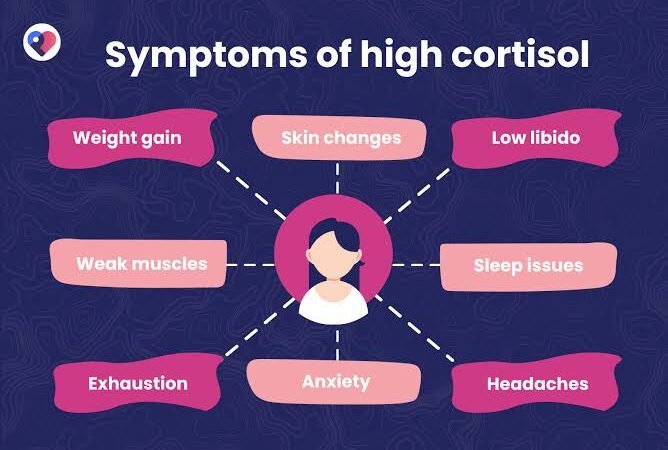
Signs and Symptoms of High Cortisol
The effects of excessive cortisol depend on its cause, duration, and severity. Temporary increases are different from prolonged exposure associated with a medical condition.
Some possible signs include:
-
Unexplained weight gain, particularly around the abdomen and face.
-
Increased fat around the upper back or neck.
-
Muscle weakness, especially in the arms and legs.
-
Easy bruising or fragile skin.
-
Wide purple stretch marks.
-
Elevated blood pressure.
-
Increased blood glucose.
-
Changes in menstrual cycles.
-
Difficulty sleeping or mood changes.
When these symptoms occur together and continue progressing, medical evaluation becomes particularly important. They may indicate Cushing syndrome, a condition involving prolonged exposure to excessive cortisol.
It is worth remembering that tiredness, weight changes, and poor sleep are common symptoms with many possible explanations. Experiencing one or two of them does not automatically mean hormone levels are abnormal.
MedlinePlus+1
What Happens When Cortisol Levels Are Too Low?
Low cortisol can be just as concerning as excessive production. The body depends on this hormone to maintain blood pressure, regulate metabolism, and respond appropriately to illness or physical stress.
Insufficient production may occur when the adrenal glands become damaged or when the pituitary gland fails to produce enough ACTH.
One recognized cause is Addison’s disease, an uncommon condition in which the adrenal glands cannot produce sufficient amounts of certain hormones.
Possible symptoms include:
-
Persistent fatigue and weakness.
-
Unintentional weight loss.
-
Reduced appetite.
-
Abdominal discomfort.
-
Low blood pressure.
-
Dizziness, particularly when standing.
-
Salt cravings in some people.
Severe cortisol deficiency can cause an adrenal crisis, a medical emergency that may involve vomiting, severe weakness, dehydration, and dangerously low blood pressure. Immediate medical attention is essential.
MedlinePlus+1
How Is Cortisol Measured?
Doctors may recommend hormone testing when symptoms suggest a problem involving the adrenal or pituitary glands. The appropriate test depends on the suspected condition.
Three commonly used testing methods include:
| Test type | What it measures | Common purpose |
|---|---|---|
| Blood test | Cortisol circulating in the bloodstream | Evaluating hormone levels at a specific time |
| Saliva test | Cortisol in a saliva sample | Checking late-night cortisol levels |
| 24-hour urine test | Cortisol released through urine over a full day | Assessing overall cortisol production |
For suspected Cushing syndrome, doctors may also use a dexamethasone suppression test. This checks whether cortisol production decreases appropriately after taking a prescribed steroid medicine.
A single result cannot always explain what is happening. Cortisol naturally changes throughout the day, and stress, exercise, pregnancy, illness, and certain medications can influence measurements. Doctors may therefore recommend multiple tests before making a diagnosis.
MedlinePlus+2
Practical Ways to Support Healthy Cortisol Regulation
Everyday habits can support the body’s natural stress-response system. While lifestyle changes cannot treat every hormonal disorder, they may improve sleep, emotional well-being, and general health.
1. Maintain a Consistent Sleep Schedule
Sleep plays an important role in hormonal regulation. Going to bed and waking up at approximately the same time each day can support the body’s natural circadian rhythm.
Adults generally benefit from seven to nine hours of sleep each night. Reducing late-night screen exposure and creating a comfortable sleeping environment can also help.
2. Manage Everyday Stress
Relaxation techniques can help people respond more effectively to daily challenges. Meditation, breathing exercises, gentle stretching, and spending time outdoors are practical options.
I have found that even a short period of quiet time away from screens can make a stressful day feel more manageable.
3. Exercise Regularly
Physical activity supports cardiovascular health, metabolic function, and emotional well-being. Walking, swimming, cycling, and strength training are useful choices.
However, intense exercise temporarily increases cortisol. This is a normal response rather than evidence of hormonal damage. Allowing sufficient recovery time is important.
4. Eat a Balanced Diet
Regular meals containing protein, fiber, healthy fats, fruits, and vegetables provide nutrients needed for normal body functions.
Avoid relying heavily on sugary snacks, highly processed foods, or excessive caffeine, particularly when they interfere with sleep or appetite.
5. Build Healthy Daily Routines
Small habits can make a meaningful difference over time. Maintaining social connections, taking breaks during demanding workdays, and establishing realistic personal goals can help reduce ongoing stress.
Importantly, there is no single food, supplement, or exercise that reliably fixes every cortisol-related problem.
Cortisol and Everyday Life: Why Balance Matters
Consider someone working long hours while managing family responsibilities. They regularly sleep five hours, skip breakfast, drink several cups of coffee, and rarely take breaks.
Over time, they may experience fatigue, irritability, difficulty concentrating, and changes in appetite. These symptoms might encourage them to search online for ways to lower cortisol.
However, assuming that a hormone imbalance is responsible would be premature. Sleep deprivation, nutritional habits, emotional stress, and other medical conditions could all contribute.
A more sensible approach would involve improving daily routines while consulting a healthcare professional if symptoms persist. This distinction matters because treating an assumed hormonal problem without proper testing can delay the identification of its actual cause.
High Cortisol vs. Low Cortisol: Understanding the Difference
Both conditions can affect normal body functions, but their causes and medical implications differ.
| Feature | High cortisol | Low cortisol |
|---|---|---|
| Common association | Cushing syndrome | Addison’s disease or adrenal insufficiency |
| Weight changes | Possible weight gain | Possible weight loss |
| Energy levels | Sleep problems and fatigue | Persistent weakness and fatigue |
| Blood pressure | May increase | May decrease |
| Blood sugar | May increase | May become unusually low |
| Medical approach | Identify and treat excess production or exposure | Identify and treat hormone deficiency |
Neither condition should be diagnosed through symptoms alone. Proper medical assessment is necessary to understand the underlying problem.
When Should You See a Doctor?
Occasional stress, tiredness, or difficulty sleeping does not necessarily indicate a hormone disorder. However, persistent or worsening symptoms deserve attention.
Consider speaking with a healthcare professional if you experience unexplained weight changes, progressive muscle weakness, unusual bruising, persistent dizziness, or significant changes in blood pressure.
People taking corticosteroid medications should also discuss any concerns with their prescribing clinician. Never suddenly stop prescribed steroid medication, because doing so can cause dangerous adrenal insufficiency.
For suspected hormonal disorders, an endocrinologist can evaluate symptoms, review medication history, and recommend appropriate investigations.
Also Read: Vitamin B12 Deficiency: Symptoms, Causes & Treatment Guide
Conclusion
Cortisol is an essential hormone that influences almost every major system in the body. From managing blood sugar and metabolism to controlling inflammation and supporting the stress response, it performs functions that are necessary for everyday health.
Problems can arise when the body produces too much or too little of this hormone over an extended period. Recognizing potential warning signs, maintaining healthy routines, and seeking appropriate medical advice are important steps toward better hormonal health.
Rather than trying to eliminate cortisol, the focus should be on supporting its natural rhythm and identifying genuine medical problems when they occur. A balanced lifestyle, adequate sleep, regular physical activity, and professional guidance can all contribute to long-term well-being.
FAQs
1. What is cortisol in simple words?
Cortisol is a hormone produced by the adrenal glands. It helps the body manage stress, regulate blood sugar, maintain blood pressure, and control inflammation.
2. What are the symptoms of high cortisol?
Possible symptoms include unexplained weight gain, a rounder face, muscle weakness, easy bruising, high blood pressure, elevated blood sugar, and wide purple stretch marks.
3. How can I lower cortisol naturally?
Maintaining a consistent sleep schedule, exercising regularly, eating balanced meals, practicing relaxation techniques, and managing daily stress can support healthy hormonal regulation.
4. Is cortisol always bad for the body?
No. Cortisol is essential for survival. It supports metabolism, immune regulation, blood pressure, and the body’s response to physical and emotional stress.
5. What time of day is cortisol highest?
Cortisol normally rises around the time a person wakes up and gradually declines throughout the day, reaching relatively low levels around bedtime. Individual patterns can vary.
6. Which test checks cortisol levels?
Doctors can measure cortisol through blood, saliva, or urine tests. A dexamethasone suppression test may also be used when investigating suspected Cushing syndrome.
7. Can poor sleep affect cortisol levels?
Yes. Inadequate sleep and irregular sleep schedules can interfere with normal cortisol rhythms and the body’s stress-response system.