
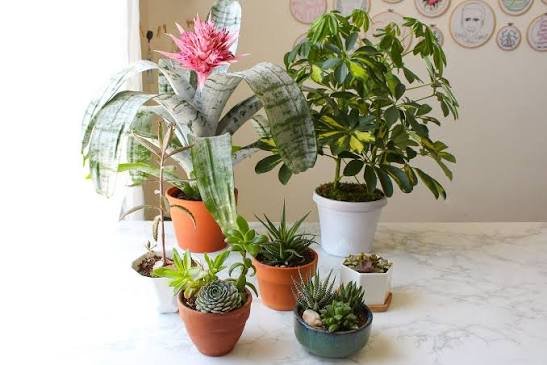
A beautiful Monstera can transform an ordinary corner into a lush indoor jungle, but the pot you choose matters more than many plant owners realize. The right monstera pot does more than hold the plant and its soil—it influences drainage, stability, watering, root development, and even how easily you can care for your plant.
Monsteras are naturally climbing tropical plants that can become surprisingly large indoors. Their broad leaves and climbing habit can also make them top-heavy, so a lightweight or oversized container may create problems later.
Whether you’re repotting a young plant or trying to give a mature Monstera a more attractive home, here’s how to choose a container that works both aesthetically and practically.
What Makes a Good Pot for a Monstera?
The best container balances drainage, size, stability, and material.
Drainage should be your first consideration. Choose a container with at least one drainage hole so excess water can escape. Constantly wet compost can deprive roots of oxygen and increase the risk of root rot.
Size matters just as much. It can be tempting to give a rapidly growing plant plenty of room, but moving a small Monstera into a huge container isn’t necessarily helpful. Extra soil holds more moisture, which can make watering mistakes harder to recover from. A slightly larger pot is usually the safer choice.
For many Monsteras, a container about 2–5 cm (1–2 inches) wider than the existing one is a sensible step when repotting. Some guidance allows a slightly larger increase for vigorous plants, but avoiding a dramatic jump in size is key.
Which Material Is B
There isn’t one universally perfect material. Your home’s conditions and watering habits should influence the decision.
| Pot material | Main advantage | Potential drawback | Best for |
|---|---|---|---|
| Terracotta | Porous and naturally breathable | Dries out faster; can be heavy | Frequent overwaterers |
| Plastic | Lightweight and retains moisture | Less breathable | Dry indoor environments |
| Ceramic | Attractive and stable | Often heavy; drainage varies | Display plants |
| Resin/fiberglass | Lightweight and durable | Can retain moisture depending on design | Large Monsteras |
Terracotta can be particularly useful if you tend to water generously because its porous walls allow some moisture to evaporate. On the other hand, plastic can be convenient when your indoor environment is dry or you don’t want to water as frequently.
For a large Monstera, weight becomes another consideration. A heavier ceramic or terracotta container can help prevent the plant from tipping as its leaves and stems expand. The University of Minnesota Extension specifically recommends heavier containers for top-heavy Monstera cuttings.
How Big Should a Monstera Pot Be?
Don’t choose the container based solely on the size of the leaves.
A Monstera can have enormous foliage while still having a relatively compact root system. Instead, examine the existing root ball and container.
Signs that your plant may need a larger home include:
- Roots emerging from the drainage holes
- Roots tightly circling the inside of the container
- Soil drying unusually quickly
- The plant becoming unstable or tipping over
- Noticeably slowed growth despite otherwise suitable care
These are useful clues that the roots are running short of space.
I once underestimated how quickly a healthy Monstera could become top-heavy; the plant looked perfectly happy until its narrow nursery container started leaning whenever a new leaf unfurled. A heavier, slightly wider container solved the stability problem without forcing the plant into an unnecessarily huge pot.
Does a Monstera Need a Deep Pot?
Not necessarily.
The container should comfortably accommodate the root system without providing a huge volume of unused soil. A deep pot can be useful for a large, established plant, but excessive depth isn’t automatically better.
Remember that the plant’s growth habit matters, too. Monsteras are climbers, and mature plants often benefit more from vertical support than simply having an enormous container. A moss pole, trellis, or sturdy support can encourage the plant to climb while helping distribute its weight.
Imagine a Monstera beside a bright window in a small apartment. It has started producing larger leaves, but the stem leans toward the light and the container wobbles whenever someone walks past. Simply buying a much larger pot may not solve the underlying issue. A stable container combined with a climbing support is a far more practical solution.
The Best Soil for Your Container
Even the best-designed pot won’t compensate for poor growing media.
Monstera prefers a well-draining growing medium rather than soil that remains saturated for long periods. Good drainage allows you to water thoroughly while giving excess moisture somewhere to go.
When watering, soak the growing medium thoroughly and allow excess water to drain away. Avoid leaving the container sitting in stagnant water. The RHS recommends allowing the compost to become almost dry before thoroughly watering Swiss cheese plants.
This is also why a decorative pot without drainage can be risky. If you love the appearance of a particular cachepot, consider placing a properly draining nursery container inside it rather than planting directly into a sealed vessel.
When Should You Repot a Monstera?
Spring is generally an excellent time to repot because plants are entering an active growth period. However, you don’t need to repot simply because another year has passed.
A Monstera that is healthy, stable, and growing well can often remain in its existing container. Repot when the roots are becoming crowded, the plant has clearly outgrown its home, or the growing medium has deteriorated.
For established plants, repotting every one to two years may be appropriate depending on growth and root development, while other guidance suggests every two to three years. The condition of the plant should ultimately matter more than a rigid calendar.
How to Repot Your Monstera Without Stressing It
Start by selecting a container only modestly larger than the current one. Prepare fresh, well-draining growing medium and gently remove the plant from its old container.
Inspect the roots. Healthy roots should generally appear firm rather than mushy or severely deteriorated. Loosen severely congested roots carefully, position the plant at an appropriate depth, and fill around the root ball with fresh medium.
Don’t bury the stem excessively. After repotting, water thoroughly so the new medium settles around the roots, allowing excess water to escape through the drainage hole.
If the plant is tall or leaning, install its support during repotting rather than waiting until the roots have filled the new container.
Choosing a Pot That Looks Good, Too
Practicality doesn’t mean sacrificing style.
A neutral ceramic planter can make the deep green foliage stand out. Terracotta creates a warmer, more natural look, while matte black, white, or stone-colored containers can suit modern interiors.
For a particularly large Monstera, though, prioritize stability before appearance. A gorgeous planter that tips over easily will quickly become less attractive.
The smartest approach is to treat the container as part of the plant’s growing system—not merely decoration. Look for drainage first, appropriate sizing second, stability third, and aesthetics fourth. When those four pieces work together, maintenance becomes noticeably easier.
Also Read: LovelolaBlog COD: Cash on Delivery Guide & Smart Tips
Conclusion
Choosing a monstera pot doesn’t have to be complicated. Focus on the essentials: reliable drainage, an appropriately sized container, enough stability for the plant’s growing weight, and a well-draining growing medium.
Avoid the common temptation to buy a dramatically oversized container. Instead, move up gradually as the root system develops. For larger Monsteras, combine a stable container with a sturdy climbing support, and always make drainage a priority.
The right pot won’t magically make a Monstera thrive, but it can create the conditions its roots need to stay healthier—and that gives the leaves, stems, and overall plant a much better foundation for impressive growth.
FAQs
What size pot is best for a Monstera?
Choose a container slightly larger than the current root ball, generally around 1–2 inches wider than the existing pot. Avoid oversized containers because excess growing medium can retain too much moisture.
Do Monstera pots need drainage holes?
Yes. A drainage hole allows excess water to escape and helps reduce the risk of waterlogged growing medium and root problems.
Is terracotta or plastic better for Monstera?
Both can work. Terracotta is porous and tends to dry more quickly, while plastic generally retains moisture longer. Choose based on your watering habits and indoor conditions.
Should a Monstera pot be heavy?
For large or top-heavy plants, a heavier container can improve stability and reduce the chance of tipping.
How often should I repot a Monstera?
Repot when the plant becomes root-bound or clearly outgrows its container rather than following a strict schedule. Spring is generally a good time when repotting is needed.
Can I put a nursery pot inside a decorative planter?
Yes. This is often a practical solution when you want a decorative outer container without sacrificing drainage. Keep the inner pot elevated or emptied of standing water so the roots aren’t left sitting in excess moisture.