
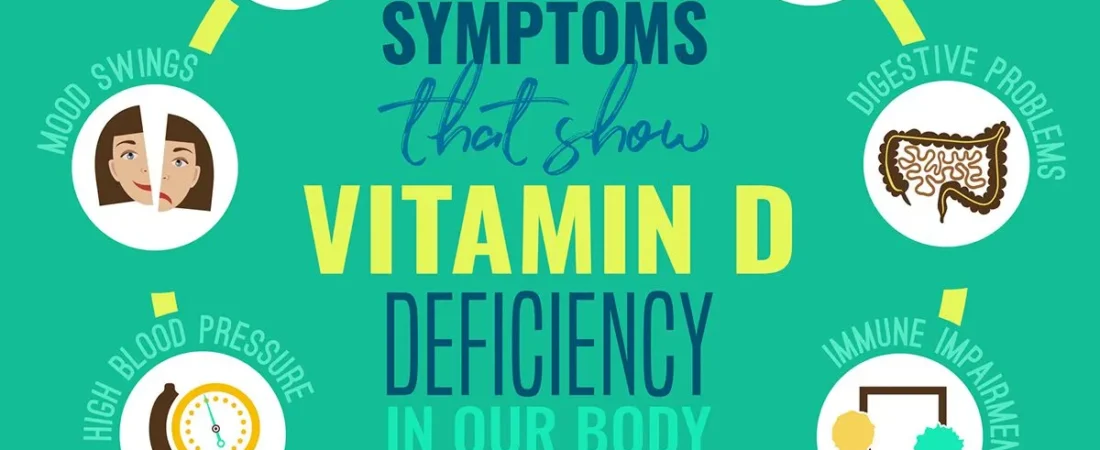
Vitamin D plays an essential role in maintaining strong bones, healthy muscles, and normal immune function. Despite its importance, many people do not get enough of this nutrient through sunlight, food, or supplements. When vitamin D levels remain too low, the body may struggle to absorb calcium properly, potentially affecting bone strength and overall health.
Vitamin D deficiency is a common nutritional concern that can affect children, adults, and older people. Some individuals experience bone pain or muscle weakness, while others have no noticeable symptoms until the deficiency becomes more severe. Understanding the causes, warning signs, and available treatment options can help people make informed decisions about their health.
Whether someone spends most of the day indoors, follows a restricted diet, or has a medical condition affecting nutrient absorption, recognizing the importance of vitamin D is a valuable step toward better long-term health.
What Is Vitamin D Deficiency?
Vitamin D deficiency occurs when the body does not have enough vitamin D to support its normal functions. This nutrient is different from many other vitamins because the human body can produce it when the skin receives ultraviolet B (UVB) radiation from sunlight.
Vitamin D helps the digestive system absorb calcium and phosphorus, two minerals necessary for healthy bones and teeth. It also supports normal muscle function and contributes to several processes involved in immune health.
There are two primary forms of vitamin D:
-
Vitamin D2 (ergocalciferol): Found in certain mushrooms and fortified foods.
-
Vitamin D3 (cholecalciferol): Produced naturally in the skin and found in some animal-based foods.
Both forms can help increase vitamin D levels. However, the amount needed depends on individual circumstances, age, existing health conditions, and blood test results.
Vitamin D+1
Common Symptoms of Low Vitamin D Levels
One challenge with low vitamin D is that symptoms can be subtle. Some people feel completely normal, even when their levels are below the recommended range.
When symptoms develop, they may include:
1. Persistent Bone Pain
Vitamin D supports calcium absorption and bone mineralization. When levels remain low, bones can become weaker and uncomfortable. Adults with severe, prolonged deficiency may develop osteomalacia, a condition that causes soft bones and bone pain.
2. Muscle Weakness
People with inadequate vitamin D may experience muscle weakness, discomfort, or difficulty performing everyday physical activities. Severe deficiency can affect mobility and increase the risk of falls, particularly among older adults.
3. Frequent Fatigue
Some people report tiredness or reduced energy when their vitamin D levels are low. However, fatigue has many possible causes, including poor sleep, anemia, thyroid problems, and stress. It should not automatically be attributed to a nutritional deficiency.
4. Bone Fractures
Long-term deficiency can contribute to poor bone mineralization and reduced bone strength. This may increase the likelihood of fractures, especially in people who already have osteoporosis or other bone-related conditions.
5. Bone Development Problems in Children
Children need sufficient vitamin D for normal skeletal development. Severe deficiency can cause rickets, a condition associated with soft bones, delayed growth, and skeletal deformities.
Not everyone experiences these symptoms, and a blood test is more reliable than guessing based on how someone feels.
NCBI+2
What Causes Vitamin D Deficiency?
Several lifestyle, dietary, and medical factors can contribute to inadequate vitamin D levels.
Limited sunlight exposure: People who spend most of their time indoors may produce less vitamin D naturally. Covering most of the skin outdoors can also reduce production.
Darker skin pigmentation: Higher melanin levels reduce the skin’s ability to produce vitamin D from sunlight, meaning some individuals may need additional dietary attention.
Poor dietary intake: People who rarely consume vitamin D-rich foods or fortified products may struggle to meet their nutritional requirements.
Digestive conditions: Certain conditions, including celiac disease and Crohn’s disease, can interfere with fat absorption and reduce vitamin D uptake.
Age-related changes: Older adults may produce less vitamin D through their skin and face additional challenges related to nutrition and mobility.
Obesity: People with obesity have a higher risk of inadequate vitamin D status and may require individualized medical advice.
Certain kidney and liver conditions can also interfere with vitamin D metabolism.
Vitamin D+2
Who Is More Likely to Develop Low Vitamin D?
Although anyone can develop insufficient vitamin D levels, certain groups deserve particular attention.
-
People who rarely spend time outdoors.
-
Older adults, particularly those with limited mobility.
-
Individuals with darker skin pigmentation.
-
Breastfed infants who are not receiving recommended supplementation.
-
People following restrictive diets.
-
Individuals with digestive absorption disorders.
-
People with chronic kidney or liver conditions.
Recognizing these risk factors does not mean everyone needs extensive testing. Healthcare professionals can assess individual circumstances and determine whether testing or supplementation is appropriate.
Best Sources of Vitamin D
A balanced approach to vitamin D intake includes sunlight, nutritious foods, and supplements when appropriate.
1. Sunlight
Sunlight is one of the body’s natural sources of vitamin D. When UVB rays reach exposed skin, they trigger vitamin D production.
However, the amount produced varies depending on skin pigmentation, geographical location, season, clothing, and time spent outdoors. There is no universal safe exposure duration that guarantees adequate levels for everyone.
Avoid prolonged unprotected sun exposure because UV radiation increases the risk of skin damage and skin cancer.
2. Vitamin D-Rich Foods
Food can contribute to daily vitamin D intake, although relatively few natural foods contain substantial amounts.
Some useful choices include:
-
Salmon, sardines, tuna, and mackerel.
-
Egg yolks.
-
Beef liver.
-
Certain mushrooms exposed to ultraviolet light.
-
Vitamin D-fortified milk and plant-based drinks.
-
Fortified breakfast cereals.
Checking nutrition labels is helpful because fortification varies between brands and countries.
3. Dietary Supplements
Vitamin D supplements are available in several forms, including tablets, capsules, and liquid drops. They may be useful for people who cannot obtain sufficient vitamin D through normal dietary sources.
However, supplements should be selected according to individual needs. Taking excessively large doses without medical supervision can cause harmful calcium buildup in the blood.
Vitamin D2 vs. Vitamin D3: Understanding the Difference
Both forms help improve vitamin D status, but they have some differences worth understanding.
| Feature | Vitamin D2 | Vitamin D3 |
|---|---|---|
| Scientific name | Ergocalciferol | Cholecalciferol |
| Common sources | Mushrooms, fortified foods | Fish, eggs, supplements |
| Origin | Plant and fungal sources | Animal sources and skin production |
| Availability | Supplements and fortified foods | Supplements and fortified foods |
| Effectiveness | Raises vitamin D levels | Often raises levels more effectively |
Vitamin D3 is generally more effective at increasing and maintaining circulating vitamin D levels, although vitamin D2 remains a useful option, particularly for people seeking plant-derived supplements.
The right choice depends on dietary preferences, medical needs, and professional advice.
Vitamin D+1
How Is Vitamin D Deficiency Diagnosed?
The most reliable way to identify low vitamin D levels is through a blood test called 25-hydroxyvitamin D [25(OH)D].
This test measures the primary circulating form of vitamin D and helps healthcare professionals evaluate a person’s vitamin D status.
The National Institutes of Health describes the following general interpretation:
| Blood vitamin D level | General interpretation |
|---|---|
| Below 12 ng/mL | Associated with deficiency |
| 12–20 ng/mL | Potentially inadequate |
| 20 ng/mL or above | Adequate for most people |
| Above 50 ng/mL | May be associated with adverse effects |
These values are general reference points rather than a universal treatment target. Medical organizations differ in their definitions of deficiency and optimal levels.
A doctor may also recommend calcium, phosphate, kidney function, or other tests depending on symptoms and medical history.
Routine testing is not necessary for every healthy individual. It is generally more useful when someone has relevant symptoms, specific risk factors, or an underlying medical condition.
Vitamin D+1
Treatment Options for Vitamin D Deficiency
Treatment depends on how low the vitamin D level is and whether the person has additional health concerns.
Medical Supplementation
Healthcare professionals may recommend vitamin D2 or D3 supplements to restore normal levels. People with significant deficiency sometimes require higher prescribed doses for a limited period, followed by a maintenance plan.
Avoid copying another person’s supplement schedule because their medical requirements may be different.
Improving Dietary Habits
Adding vitamin D-rich foods to everyday meals can help maintain healthier nutritional levels.
For example, including eggs at breakfast, fortified milk with lunch, and oily fish at dinner can provide a useful combination of dietary sources.
Safe Outdoor Activity
Regular outdoor activities can support general health and provide opportunities for natural vitamin D production.
Walking, gardening, and other outdoor activities are practical options. However, sun protection remains important, especially during periods of strong UV exposure.
Managing Underlying Health Conditions
If a digestive, liver, or kidney condition contributes to deficiency, treating the underlying problem may be an important part of the overall plan.
A Practical Example of Managing Vitamin D Intake
Consider someone who works at a computer for eight or nine hours daily. They rarely go outside, frequently skip balanced meals, and depend on packaged foods.
After experiencing persistent muscle discomfort, they decide to investigate their nutritional health rather than immediately purchasing high-dose supplements.
A healthcare professional reviews their medical history, considers other possible causes, and recommends a blood test. If the results confirm inadequate vitamin D levels, an appropriate supplementation plan and dietary improvements can be introduced.
I would always recommend identifying the actual cause of a suspected deficiency rather than assuming that tiredness or muscle discomfort automatically means someone needs vitamin D.
This approach helps avoid unnecessary supplementation while addressing the underlying nutritional issue.
Can Too Much Vitamin D Be Harmful?
Yes. Although vitamin D is essential, excessive supplementation can lead to vitamin D toxicity.
This condition usually develops from consuming excessive amounts of supplements rather than ordinary sunlight exposure.
Possible warning signs include:
-
Nausea and vomiting.
-
Constipation and poor appetite.
-
Excessive thirst and frequent urination.
-
Muscle weakness.
-
Confusion.
-
Kidney damage in severe cases.
Excess vitamin D can increase calcium levels in the blood, potentially affecting the kidneys, heart, and other organs.
For most adults, the established tolerable upper intake level is 4,000 IU (100 micrograms) daily from all sources. This is not a recommended treatment dose or a target for everyone. Clinicians may temporarily prescribe different amounts when treating confirmed deficiency.
Always follow professional guidance when taking high-dose supplements.
medlineplus.gov+2
Conclusion
Vitamin D deficiency is an important nutritional concern that can affect bone health, muscle function, and normal body processes. Although some people experience noticeable symptoms, others may have low levels without realizing it.
Maintaining a balanced diet, including vitamin D-rich foods, getting appropriate outdoor activity, and using supplements when medically recommended can help support healthy vitamin D levels.
The most important step is understanding individual nutritional needs instead of relying on guesswork or taking excessive supplements. If you have persistent bone pain, muscle weakness, or known risk factors, speaking with a healthcare professional can help you determine whether testing and treatment are necessary.
FAQs
1. What are the first signs of vitamin D deficiency?
Early signs may include muscle weakness, bone discomfort, and fatigue. However, many people have no noticeable symptoms, particularly during the early stages.
2. Can vitamin D deficiency cause hair loss?
Some research has identified associations between low vitamin D levels and certain hair-loss conditions, including alopecia areata. However, this does not establish that vitamin D deficiency directly causes every type of hair loss.
3. How long does it take to correct vitamin D deficiency?
The recovery period varies depending on the severity of deficiency, treatment dose, absorption, and individual health. Some people improve over several weeks, while others require longer treatment and follow-up.
4. Which foods contain the most vitamin D?
Fatty fish such as salmon, mackerel, and sardines are among the best natural food sources. Egg yolks, UV-exposed mushrooms, and fortified foods also contribute vitamin D.
5. Is sunlight enough to prevent vitamin D deficiency?
Sunlight can help the body produce vitamin D, but the amount varies significantly between individuals and environmental conditions. Some people need dietary sources or supplements to maintain adequate levels.
6. Can vitamin D deficiency affect children?
Yes. Severe deficiency can cause rickets, which affects bone development and growth. Infants and young children should receive age-appropriate nutritional care and supplementation according to healthcare guidance.
7. Should everyone take vitamin D supplements?
Not necessarily. Supplementation depends on age, diet, sun exposure, health conditions, and individual risk factors. A healthcare professional can recommend an appropriate amount.