
Kidneys play an essential role in keeping the human body healthy. These two bean-shaped organs continuously filter the blood, remove harmful waste products, balance fluids, and regulate important minerals. They also help control blood pressure and support healthy red blood cell production. When their ability to perform these functions becomes severely reduced, serious health complications can develop.
Kidney failure is a medical condition in which the kidneys can no longer function well enough to maintain the body’s normal balance. It may develop gradually over several years or occur suddenly because of an illness, infection, or injury. Understanding the warning signs, risk factors, and available treatments can help people make informed decisions about their health.
What Is Kidney Failure?
Kidney failure occurs when the kidneys lose most of their ability to remove waste and excess fluid from the bloodstream. In advanced chronic kidney disease, kidney function falls below 15% of normal, a level generally classified as kidney failure.
Healthy kidneys perform several important jobs:
-
Remove waste products and toxins from the blood.
-
Maintain proper fluid and electrolyte levels.
-
Help regulate blood pressure.
-
Support red blood cell production.
-
Maintain healthy bones by balancing minerals.
-
Remove excess water through urine.
When these functions become impaired, waste products and fluid can accumulate in the body. This may affect the heart, brain, bones, and other organs.
NIDDK+1
Types of Kidney Failure
There are two major forms of kidney failure, and understanding their differences is important because their causes and treatments may vary.
Acute Kidney Failure
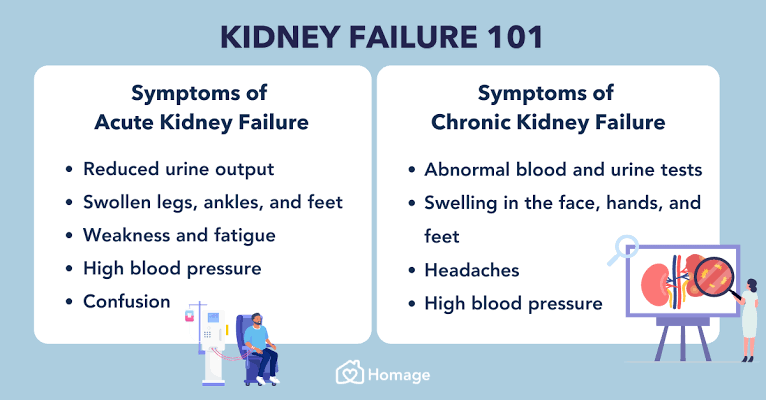
Acute kidney failure, also called acute kidney injury (AKI), develops suddenly over hours or days. It can happen when the kidneys receive insufficient blood flow, experience direct damage, or become affected by a blockage in the urinary tract.
Common causes include severe dehydration, serious infections, major surgery, blood loss, and certain medications. With timely medical treatment, kidney function may partially or completely recover, depending on the severity and underlying cause.
Chronic Kidney Failure
Chronic kidney failure develops gradually when kidney function declines over months or years. Diabetes and high blood pressure are two leading causes. Other conditions, including inherited kidney disorders and autoimmune diseases, can also contribute.
Unlike some cases of acute kidney injury, advanced chronic kidney damage is usually permanent. However, appropriate medical care can help manage complications and improve quality of life.
World Health Organization+1
Common Symptoms of Kidney Failure
One challenging aspect of kidney disease is that early stages often produce no noticeable symptoms. A person may feel perfectly healthy while kidney function is gradually declining. Symptoms usually become more noticeable when the condition reaches an advanced stage.
Common warning signs include:
-
Persistent tiredness: Waste accumulation and anemia can contribute to weakness and reduced energy.
-
Swelling: Extra fluid may collect around the feet, ankles, legs, and sometimes the face.
-
Changes in urination: Some people produce less urine, while others notice frequent nighttime urination.
-
Nausea and vomiting: Waste buildup can affect digestion and appetite.
-
Itchy skin: Mineral imbalances and other complications may cause persistent itching.
-
Muscle cramps: Changes in electrolyte levels can contribute to painful cramps.
-
Breathing difficulties: Excess fluid or anemia may cause shortness of breath.
-
Difficulty concentrating: Severe kidney dysfunction can affect mental clarity and memory.
These symptoms do not automatically mean someone has kidney failure. Several other health conditions can cause similar problems, so medical evaluation is important.
NHS+1
What Causes Kidney Failure?
Several medical conditions and lifestyle-related factors can damage the kidneys. Identifying the underlying cause is essential for selecting appropriate treatment.
1. Diabetes
High blood sugar levels can gradually damage the tiny blood vessels responsible for filtering waste. Over time, this damage may lead to diabetic kidney disease.
2. High Blood Pressure
Uncontrolled blood pressure places additional stress on kidney blood vessels. Damaged vessels become less effective at filtering blood, potentially worsening kidney function.
3. Severe Dehydration
Significant fluid loss from diarrhea, vomiting, excessive sweating, or inadequate fluid intake can reduce blood flow to the kidneys and trigger acute kidney injury.
4. Kidney Infections and Inflammation
Certain infections and inflammatory conditions can damage kidney tissue and interfere with normal filtration.
5. Urinary Tract Blockages
Kidney stones, an enlarged prostate, or other urinary obstructions may prevent urine from flowing normally. Untreated blockages can damage the kidneys.
6. Certain Medications
Some medicines, particularly when used incorrectly or inappropriately over extended periods, can harm kidney function. Regular use of certain painkillers, including NSAIDs, deserves particular attention in people with kidney disease.
How Is Kidney Failure Diagnosed?
Early diagnosis can make a meaningful difference in managing kidney disease. Doctors generally combine medical history, physical examinations, laboratory testing, and sometimes imaging studies to understand how well the kidneys are functioning.
Important diagnostic tests include:
| Medical Test | What It Checks |
|---|---|
| Blood creatinine test | Measures a waste product that helps assess kidney function |
| eGFR test | Estimates how effectively the kidneys filter blood |
| Urine albumin test | Detects protein leakage that may indicate kidney damage |
| Electrolyte test | Checks potassium, sodium, and other important minerals |
| Kidney ultrasound | Examines kidney size, structure, and possible blockages |
Doctors may also recommend additional investigations when they suspect an infection, inherited condition, or structural problem.
People living with diabetes or high blood pressure should discuss regular kidney screening with their healthcare providers, even when they feel healthy.
NHS+1
Treatment Options for Kidney Failure
Treatment depends on the cause, severity, overall health, and individual circumstances. Although advanced chronic kidney failure generally cannot be reversed, several treatment options can replace some lost kidney functions and manage complications.
Hemodialysis
Hemodialysis uses a specialized machine and filter to remove waste products and excess fluid from the blood. Treatment is commonly provided at a dialysis center, although some patients can receive it at home.
Peritoneal Dialysis
This treatment uses the lining of the abdomen, called the peritoneum, as a natural filtering membrane. A special cleansing fluid enters the abdominal cavity, collects waste, and is later drained. Many patients perform this treatment at home after proper training.
Kidney Transplant
A kidney transplant involves surgically placing a healthy donated kidney into the patient’s body. It can provide better long-term kidney function for suitable candidates, although patients generally need lifelong medication to prevent organ rejection.
Conservative Kidney Management
Some individuals choose supportive medical care without dialysis or transplantation. This approach focuses on controlling symptoms, managing complications, and maintaining comfort and quality of life.
NIDDK+1
The following comparison highlights the main differences:
| Treatment | Main Approach | Important Consideration |
|---|---|---|
| Hemodialysis | Filters blood using a machine | Requires regular treatment sessions |
| Peritoneal dialysis | Uses the abdominal lining | Often performed at home |
| Kidney transplant | Uses a donated kidney | Requires anti-rejection medication |
| Conservative care | Manages symptoms and complications | Does not replace kidney filtration |
Lifestyle Changes That Support Kidney Health
Daily habits can influence kidney health, particularly for people with diabetes, high blood pressure, or early-stage kidney disease.
Some practical steps include:
-
Keep blood sugar levels within the range recommended by your healthcare provider.
-
Monitor blood pressure and follow prescribed treatment.
-
Reduce excessive salt consumption.
-
Maintain a balanced diet with appropriate portions.
-
Stay physically active according to your abilities.
-
Avoid smoking.
-
Use pain medications only as medically advised.
-
Attend regular medical appointments and recommended screening tests.
An important point is that there is no single kidney-friendly diet suitable for everyone. People with advanced kidney disease may need individualized limits on potassium, phosphorus, sodium, protein, or fluids. A renal dietitian can help develop an appropriate eating plan. Drinking excessive water is not a treatment for kidney failure and may be harmful when the body cannot remove extra fluid.
NIDDK+1
A Practical Example of Recognizing Kidney Problems
Consider someone who has lived with diabetes and high blood pressure for several years. Initially, they feel healthy and experience no obvious symptoms. Over time, they begin noticing swollen ankles, unusual tiredness, and changes in urination. Instead of ignoring these warning signs, they visit a doctor and undergo blood and urine tests.
The results reveal reduced kidney function. With appropriate medication, dietary adjustments, and regular monitoring, they can work with their healthcare team to manage the condition and reduce the risk of further complications.
One important lesson I would emphasize is that routine kidney testing can reveal problems long before noticeable symptoms appear.
When Should You Seek Medical Attention?
Do not ignore persistent swelling, unexplained fatigue, changes in urination, or recurring nausea, particularly if you have diabetes or high blood pressure.
Seek emergency medical attention if you experience severe breathing difficulties, chest pain, confusion, seizures, or an extremely low urine output accompanied by feeling seriously unwell. These symptoms may indicate a serious medical problem requiring immediate assessment.
Early medical attention can help identify potentially reversible causes and prevent additional complications.
Also Read: Cold Symptoms: Signs, Causes, Relief & Recovery Guide
Conclusion
Kidney failure is a serious health condition that affects the body’s ability to remove waste, control fluids, and maintain essential mineral balances. Although it can develop gradually without obvious warning signs, early screening and appropriate medical care can make a significant difference.
Understanding its causes, recognizing possible symptoms, and managing conditions such as diabetes and high blood pressure are important steps toward protecting kidney health. For people with advanced disease, dialysis, transplantation, and supportive care provide different ways to manage the condition.
Most importantly, never rely on symptoms alone to determine whether your kidneys are healthy. Regular medical testing and professional guidance offer a much clearer picture of kidney function.
FAQs
1. What are the first signs of kidney failure?
Early kidney disease often has no noticeable symptoms. As kidney function declines, possible signs include fatigue, swollen feet, changes in urination, itchy skin, nausea, and difficulty concentrating.
2. Can kidney failure be reversed?
Acute kidney injury may be reversible when its underlying cause is treated promptly. However, advanced chronic kidney failure generally causes permanent damage and requires ongoing medical management.
3. What are the main causes of kidney failure?
Diabetes and high blood pressure are two leading causes. Other contributing factors include kidney infections, inherited conditions, autoimmune diseases, urinary blockages, and certain medications.
4. Can someone live a normal life with kidney failure?
Many people maintain meaningful and active lives with appropriate treatment. Dialysis, kidney transplantation, medication, dietary management, and support from healthcare professionals can improve quality of life.
5. What tests detect kidney problems?
Blood creatinine and estimated glomerular filtration rate (eGFR) tests help assess kidney function. Urine albumin testing can identify protein leakage, which may indicate kidney damage.
6. Is drinking more water enough to protect the kidneys?
No. Maintaining appropriate hydration supports normal kidney function, but excessive water consumption does not reverse kidney damage. People with advanced kidney disease may need fluid restrictions based on medical advice.
7. Can kidney failure occur suddenly?
Yes. Acute kidney injury can develop within hours or days because of severe dehydration, infections, blood loss, certain medications, or other serious medical problems. Prompt treatment is important.